





We may receive a portion of sales if you purchase a product through a link in this article.
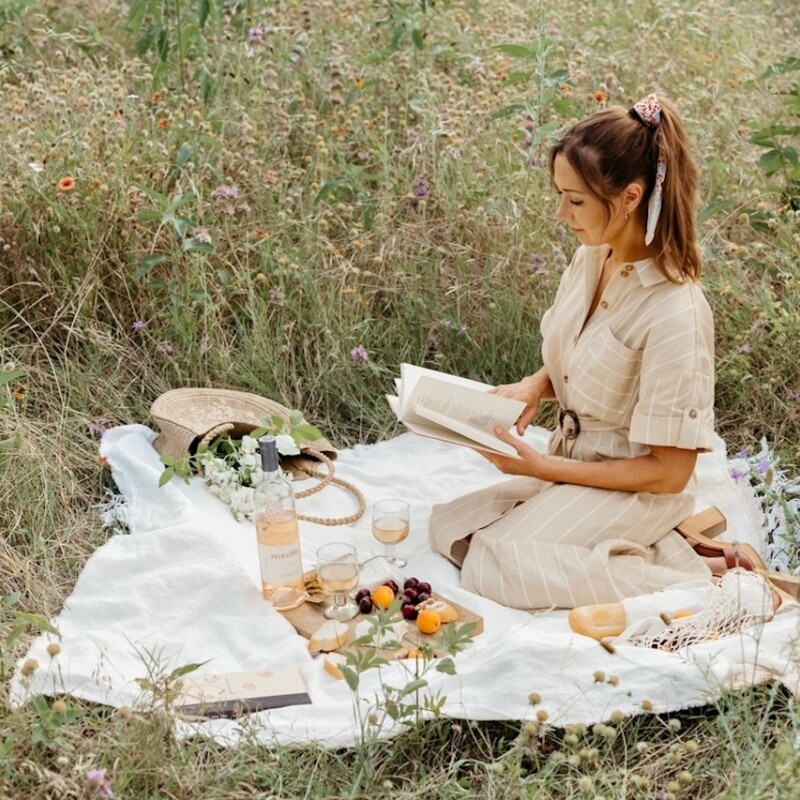
There are mornings when I open a book of poetry without really thinking about it. Coffee in hand, still in pajamas, my apartment in that in-between hour before the day begins. I’ll read a single poem—sometimes twice—then close the book and sit with it. No pressure to finish a chapter. No need to complete anything. Just a few lines that feel like company.
That’s why I always come back to the best poetry books: because poetry meets you exactly where you are. Some days call for something grounding. Others for something bold or tender. A good collection gives language—and sometimes even shape—to whatever the world throws at you. And often, I’ve found, that’s more useful than any clear-cut solution.


Over the years, a handful of collections have become part of my rituals. They’re the books I pull down before bed, toss into a weekend bag, or gift when I don’t quite have the right words myself. Below is that edit: the poetry books I return to most and recommend often.
Why We Return to Poetry in Certain Seasons of Life
When I turn to poetry, it’s usually because something feels just out of reach—an emotion I can’t quite name, or a transition I’m still navigating. Poetry, I’ve always found, gives contour to what feels undefined.
There are moments when novels feel like too much, and essays feel too instructive. Poetry asks for very little. You can open it to the middle and still find what you need. Even just a single page can recalibrate the day.
I come back to poetry during beginnings and endings—when I’m starting over, when I’m letting go, and when I want to remember who I am outside of productivity. Certain lines stay with you, and over time, they begin to feel like part of your own vocabulary.
For Slow Mornings
These are the collections that feel right before I’m even tempted to grab my phone. They don’t overwhelm, but create space. A single poem can redirect your attention—to the light in the room, to your breath, and to the day unfolding in front of you.
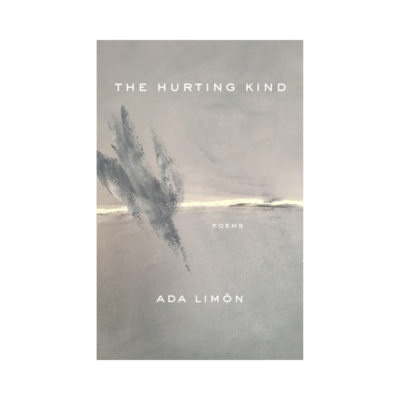
Ada Limón
Limón writes about the body, longing, and the shifting seasons of a life in motion. The poems feel contemporary without being fleeting—grounded in lived experience but expansive enough to hold larger questions.
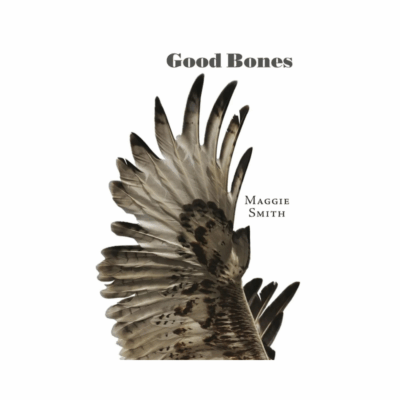
Maggie Smith
Accessible and resonant, Smith’s poems are easy to read in one sitting or return to line by line. There’s realism here, but also hope without ever turning sentimental.
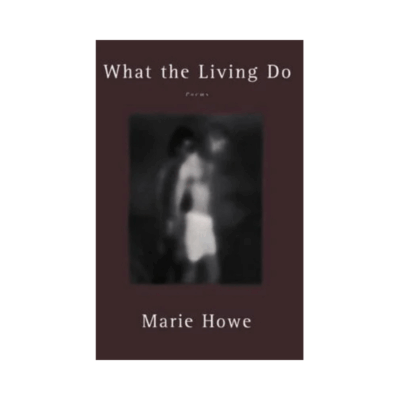
Marie Howe
Intimate and honest, Howe explores grief, love, and the small details that shape a life. The poems feel deeply human, making them especially powerful in the stillness of early morning.
For When You Need to Feel Understood
Some poems offer truth instead of comfort. They put words to jealousy, obsession, heartbreak, and desire—the feelings we don’t always say out loud. These are the collections that feel less like escape and more like recognition. The ones that make you pause mid-page because a line lands too precisely.
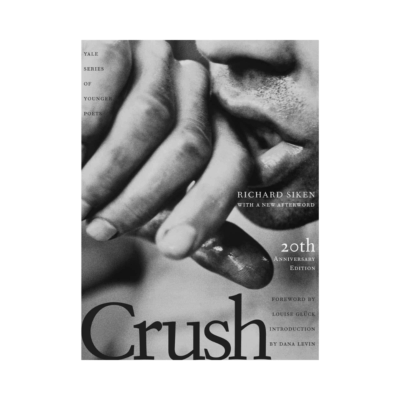
Richard Siken
Intense and electric, Crush reads like a series of confessions delivered at full volume. Siken writes about obsession, desire, and vulnerability with a kind of urgency that feels almost cinematic. Trust me: this isn’t background reading.
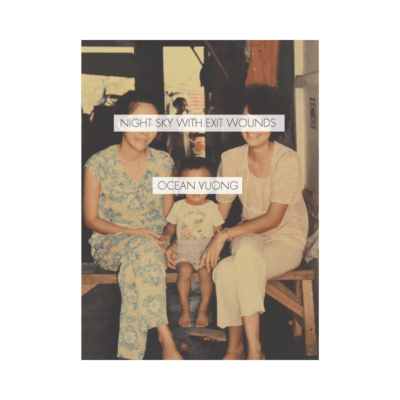
Ocean Vuong
Vuong’s language is spare, luminous, and emotionally precise. His poems explore identity, family, and memory in ways that feel both intimate and expansive.
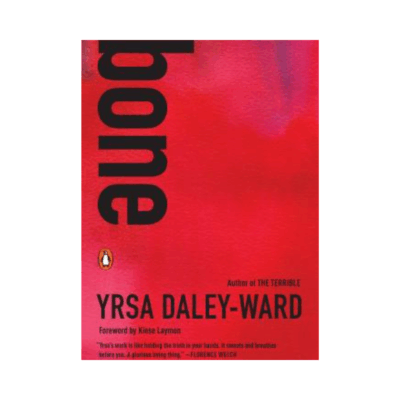
Yrsa Daley-Ward
Raw and direct, Daley-Ward’s poems move through love, addiction, womanhood, and selfhood with striking clarity. The writing is concise, but the emotional impact is anything but small.
For Reflection and Self-Discovery
At certain points, you’re not looking for intensity—you’re looking for clarity. The right collection can feel like a mirror held up at just the right angle, revealing something you hadn’t found the words for yourself. These are the books that invite contemplation, that make you reach for a pen and underline every resonant word.
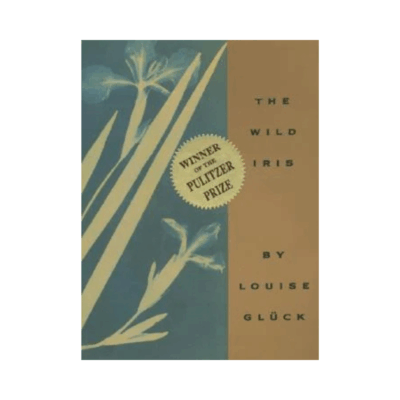
Louise Glück
Glück’s poems move through grief, growth, and renewal with restraint and precision. Much of this collection unfolds in a garden, but what it explores is interior transformation. The language is spare and exacting, offering space to sit with difficult emotions without rushing toward resolution.
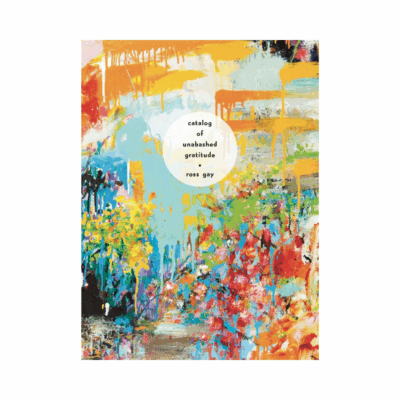
Ross Gay
Catalog of Unabashed Gratitude
Gay’s poems are full of observation and wonder. He writes about joy, community, vulnerability, and the practice of gratitude. This is the kind of collection that reminds you to look more closely at your own life.
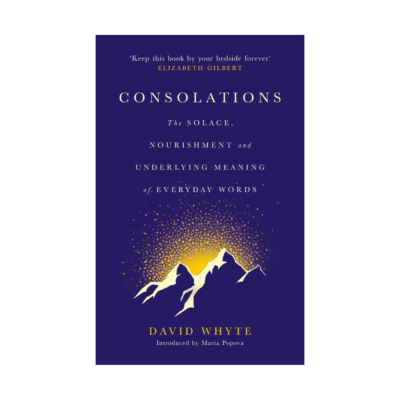
David Whyte
Part poem, part meditation, Consolations explores single words—like “courage,” “grief,” and “belonging”—through lyrical reflection. It’s a book you don’t read straight through so much as return to, especially when you’re searching for language for something still forming.
For Gifting (and Keeping for Yourself)
Then there are the collections that feel meant to be shared. They’re beautiful to hold, striking on a nightstand, and generous in their scope. These are the books you give to a friend finding their way through change, and then order a second copy for yourself.
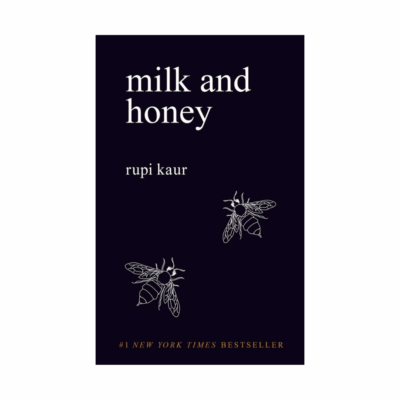
Rupi Kaur
Minimalist and immediately resonant, this modern classic explores love, loss, trauma, and healing in short, accessible verses. It’s the kind of book that feels deeply personal but universally understood.
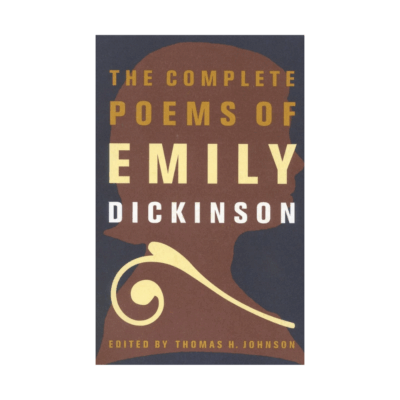
Emily Dickinson
The Complete Poems of Emily Dickinson
A timeless addition to any bookshelf, Dickinson’s work is endlessly relevant. Her compact, incisive poems invite rereading, and the collected edition makes a beautiful, lasting gift.

Hanif Abdurraqib
Abdurraqib writes about heartbreak, masculinity, culture, and memory with lyric precision. The poems are emotionally intelligent, making this a meaningful gift for when you want something that meets the moment honestly.
The Takeaway
You open the best poetry books at random. You underline a line and carry it with you for the rest of the day. Over time, certain poems become familiar—almost like landmarks in your own interior landscape.
Reading poetry doesn’t require a plan or a deadline. What matters is the pause it creates, the attention it asks for, and the small shift in perspective that follows. When a collection earns a permanent spot on your shelf, it’s usually because certain lines refused to leave you.
This post was last updated on February 16, 2026, to include new insights.