


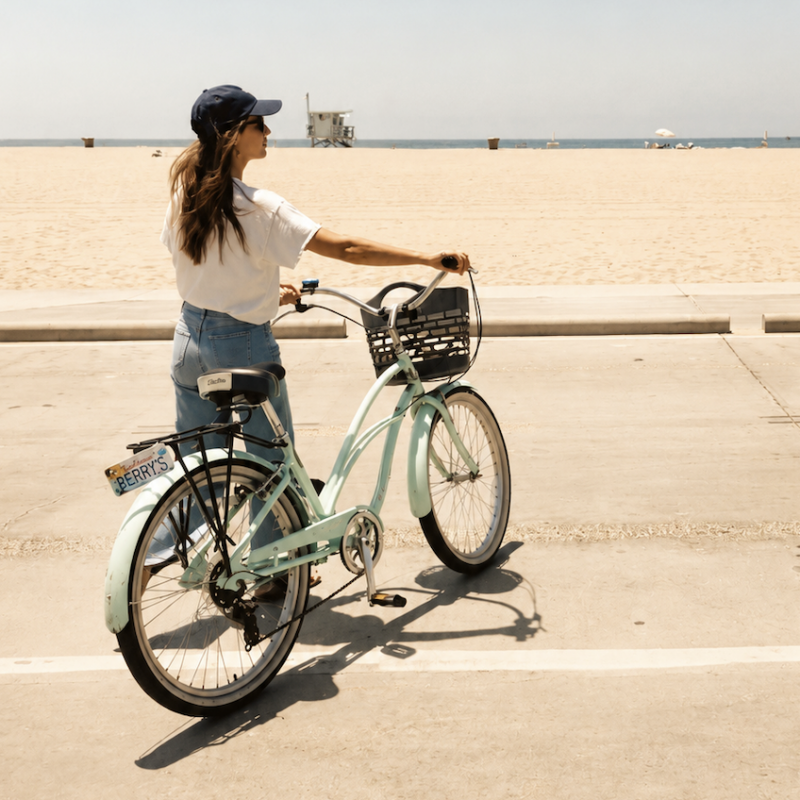
If you haven’t yet subscribed to my Substack, it’s where I get a little more personal—writing from the heart about self-care, motherhood, wellness, and all things in between. My community loved this post there, so I wanted to share an excerpt with you here.
For two years, the first thing I did every morning was check my Oura ring stats. I’d lie in the dark reading my sleep stages like scripture. My HRV and Readiness scores told me how I should be feeling—if the numbers were good, it was permission to feel good. And if they weren’t, I’d spiral into additional stress because (according to my ring) I was apparently already stressed.
I’d do my multi-step skincare routine, work out according to my cycle, white-knuckle my way through the first part of the morning without coffee because Andrew Huberman said it spikes your cortisol. By all standards, my wellness routine was locked in. And I felt… fine (though frequently tired).
But here’s what I didn’t feel: Free. Alive. At home in my body.
And if I’m being fully honest, I’d also been quietly fighting my own cravings for years. Restricting what I ate in the name of health. (Let’s be real: also in the name of fitting into a certain size of jeans.) The reason I skipped the bread basket wasn’t because I didn’t want it. It was because I thought I shouldn’t have it. There’s a difference, and somewhere along the way, I’d lost the plot.
I was devouring self-help books and wellness podcasts because I knew deep down that something needed to change. I just didn’t know yet what that was.
Last summer, we were at our favorite beach in Malibu on a day that was overcast and a little chilly—the kind of day where you negotiate with yourself about whether it really counts as a beach day if you don’t get in the water. Adam and the kids were already wading in, while I settled onto my towel in a sweatshirt with my book, perfectly content to stay there.
“Mom, come in!!”
I kept reading, but my mind was half-distracted with that nagging sense that I was missing the moment. So finally, I stripped off my sweatshirt, goosebumps already forming, and ran straight into the waves before I could think twice. The cold shocked me to the core. I dove straight under a wave, then spent the next twenty minutes jumping, diving, and shivering right along with my family.For two years, I started almost every morning by looking at my Oura stats and waiting for it to tell me how I felt. Before I’d even gotten out of bed, I’d checked my sleep, recovery, and stress levels. A good score made me feel reassured. A disappointing one could color the entire day before it had really begun.
From there, I moved through a carefully calibrated routine: skincare, supplements, strategically timed coffee, and workouts chosen according to what my body was supposedly doing. I consumed enough wellness content to know exactly what I should eat, when I should exercise, and how I could improve nearly every part of myself.
By most standards, I was doing everything right.
But I didn’t feel energized or deeply connected to my life. Mostly, I felt like I was constantly managing myself.
The same mindset had made its way into food. I’d learned to ignore certain cravings, pass on things I genuinely wanted, and call it discipline. It looked healthy from the outside, but underneath it was a growing inability to trust my own body without first consulting a rule, a metric, or an expert.

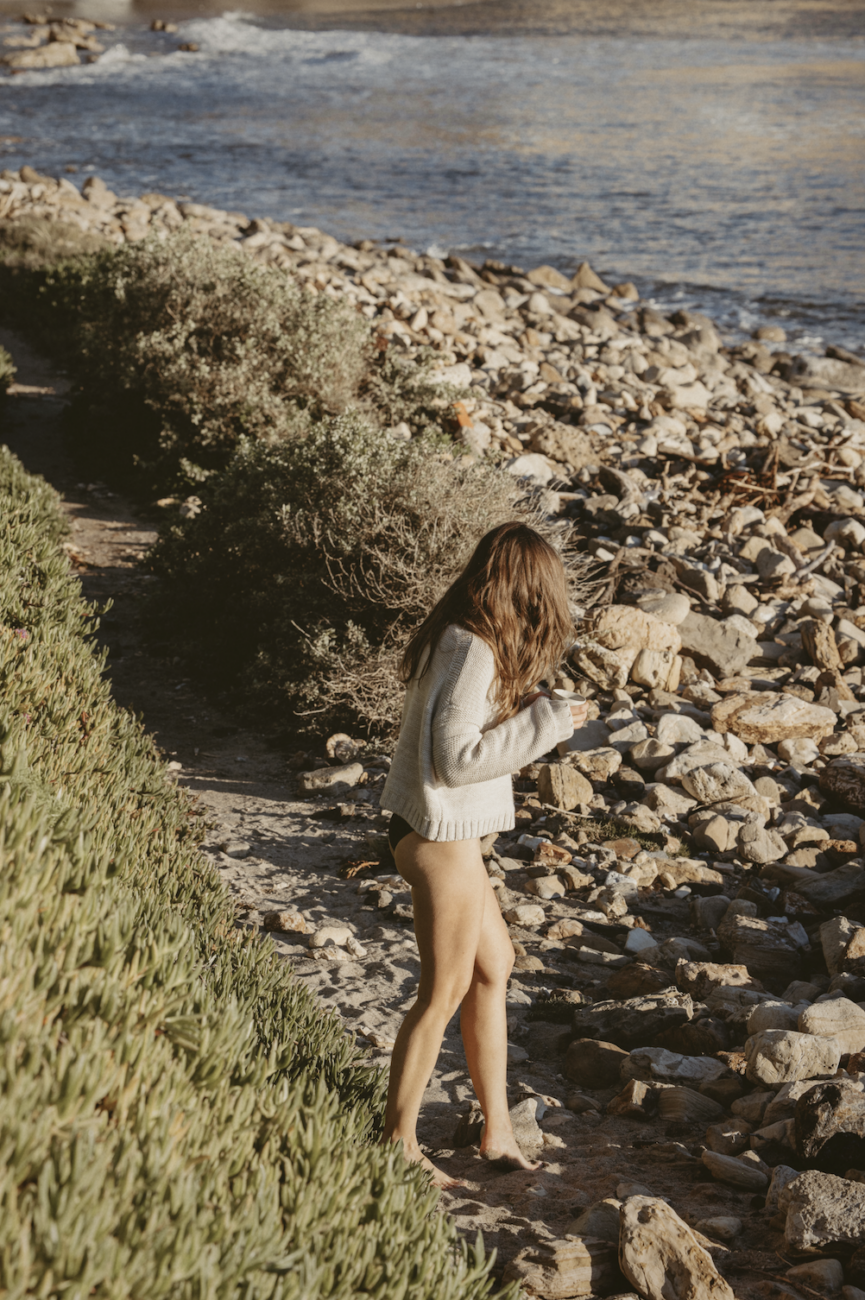
That afternoon brought something into focus: maybe wellness wasn’t supposed to be about controlling every variable. Maybe it was meant to help us participate more fully in our lives.
Since then, I’ve been experimenting with a slower way of living. Not slow living as another aesthetic or set of rules, but as a practice of paying attention—sleeping when I need sleep, moving in ways that feel energizing, eating what genuinely satisfies me, and questioning how many inputs I actually need. I’m still interested in taking care of myself, but less interested in turning that care into another self-improvement project.
For me, an unplugged summer doesn’t mean abandoning technology altogether. It means creating enough space to hear my own thoughts again and returning to simple summer rituals that make me feel present: coffee outside, a swim without checking the time, dinner that lingers, an evening walk without my phone.
As the end of summer approaches, I’m thinking about what it means to savor a season without putting pressure on myself to maximize it. Less optimizing. More noticing. More moments that leave me feeling present, connected, and fully alive.
In the full post, I’m sharing:
- The wellness rules I stopped following—and what changed when I did
- What happened when I stopped restricting food and trusted my cravings
- The simpler skincare routine that gave me better results
- How I made movement feel energizing instead of obligatory
- The supplements I actually take—and the ones I stopped buying
Unlock the full post on Substack—and get the summer rituals helping me trade constant optimization for a life that feels more fully lived.