





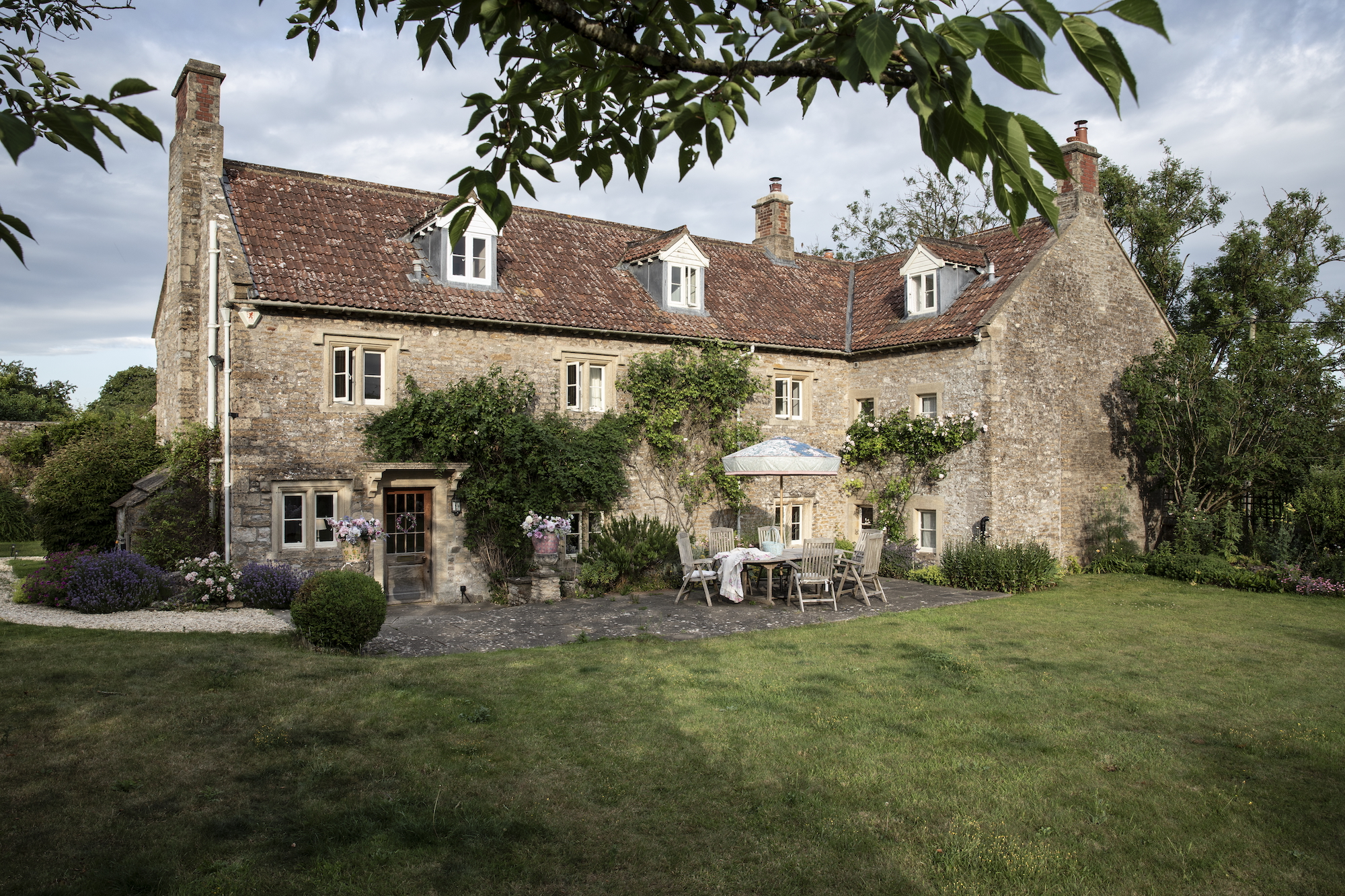
Some of the most meaningful chapters of our lives begin not with a plan, but with a pull. A quiet insistence that something—a place, a way of living, a version of yourself you haven’t yet met—is waiting. That pull doesn’t always make logical sense, and rarely comes with a roadmap. But for those willing to follow it anyway, the path has a way of leading exactly where it was always meant to go.
That’s the story Rachel Ashwell tells in Meadow Manor, though she might not frame it that way. The founder of Shabby Chic spent four decades building a life and a brand in Los Angeles before feeling that pull back toward England, the country she’d left at nineteen. She didn’t have all the answers. She had adult children, businesses on two continents, and a deeply American life. What she had, too, was a growing conviction that the seasons—and the slower rhythm they impose—were something she needed to live closer to.
Rachel Ashwell on Intuition, Imperfection, and Starting Over
What followed was Meadow Manor: a 17th-century Somerset farmhouse that became less a design project than an act of trust. We sat down with Rachel to talk about intuition, imperfection, and what it means to build a home—and a life—that feels entirely, unapologetically your own.
Rachel Ashwell
Your move between California and the English countryside feels less like a relocation and more like a return. What did that shift open up for you, creatively and personally?
I left London at the age of 19 in 1979. The fearless romantic in me was drawn to the storytelling of the movie industry in Los Angeles—the glamour, the sunshine, palm trees, and vintage Cadillacs. I had my children in LA, and that’s where Shabby Chic was born in 1989. And while I have spent most of my adult life there, I always remained feeling quite British.
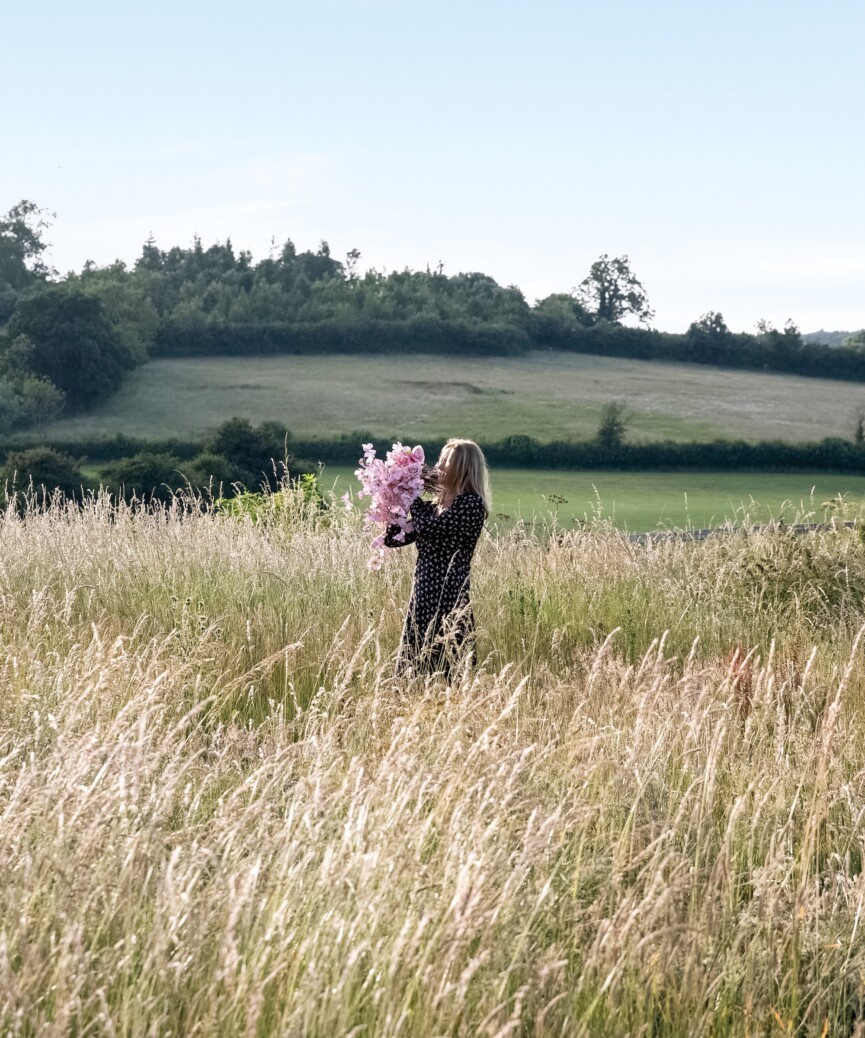
A few years ago, I had the yearning to return to my roots. I had always missed the rhythm of the seasons—creatively and emotionally, a time to be inward, a time to bloom, and the moments in between. I’ve found that influence to be true in my creative work: feeling aligned with a richer winter palette, an abundance of flower prints that mirrors the English countryside gardens. And in the countryside, there is a sense of slowing down, timelessness, and safety that feels both comforting and familiar.


You’ve spoken about not needing all the answers before making this transition. How do you think about intuition when it comes to building a life or a home?
On reflection, I have made many decisions in my life without having all the answers. While not always wise—and sometimes cause for chaos—collectively my life has unfolded into many chapters, some longer than others. I find that when I follow my intuition, it rarely leads me astray. In truth, when I don’t is when I get into trouble. I believe every decision we are drawn to has a purpose. Sometimes for a magical experience, sometimes for a lesson that needs to be learned. Either way, it adds to our sense of character and the richness of life.
There’s a sense that you’re responding to the house rather than imposing a vision on it. How do you approach that balance?
Meadow Manor was built in the 1600s, so it has held many lifetimes. The family I purchased it from loved the home deeply. They stated, wisely, that we are only custodians of these homes, and they knew when it was time to pass it on. It was important to them that my intention was to embrace the original beauty and soul of the house.
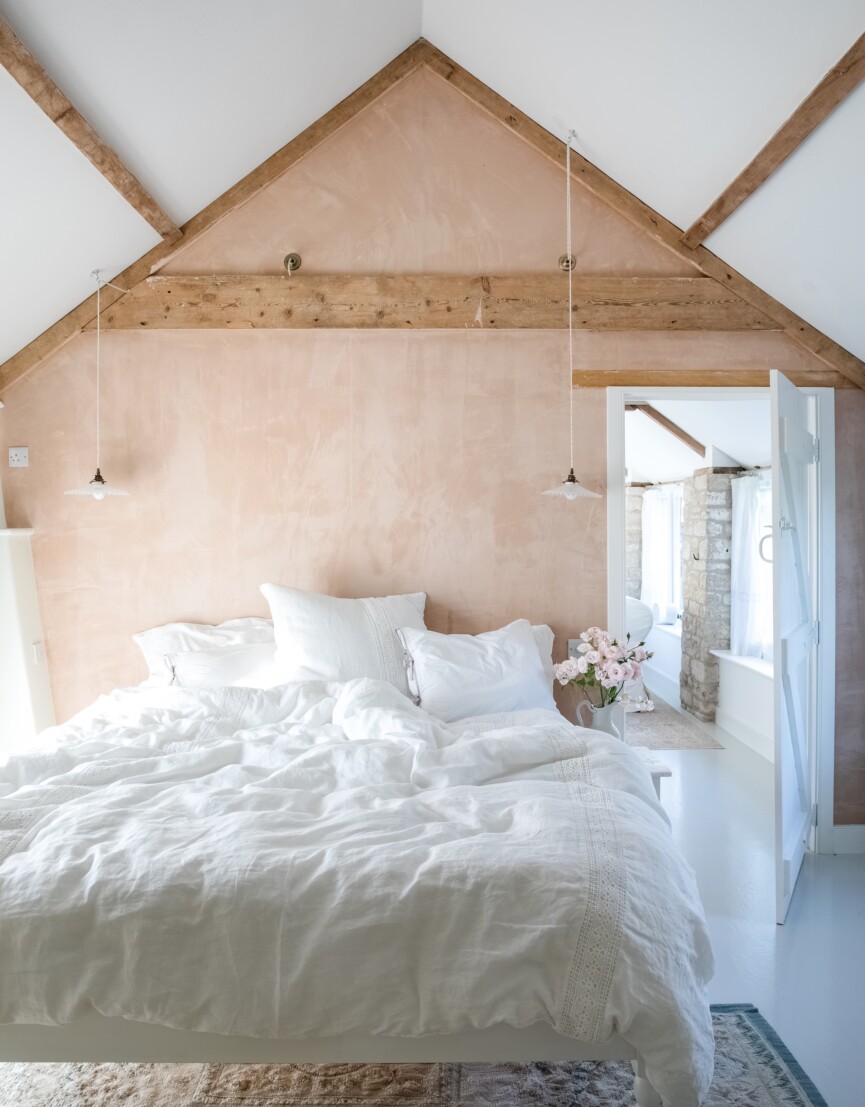
My priorities when deciding to buy were energy, light, and peacefulness. With my decorative choices, I wanted to maintain the traditional and authentic flair of a historical manor while layering in fresh and luxurious elements—mainly evident in the bathrooms and kitchen. I thought I would be braver with paint and wallpapers, but in the end I stayed with my signature of soothing, calm colors, letting the furnishings be the pops of color.
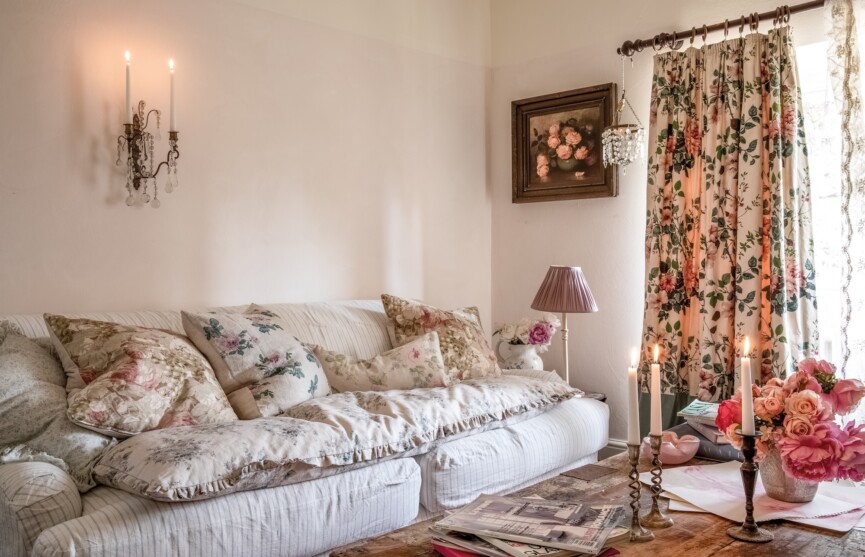
“In the countryside, there is a sense of slowing down, timelessness, and safety that feels both comforting and familiar.”
You write, “As long as something is beautiful, it will always fit in.” Can you share more about that sense of trust in design?
I have always considered Shabby Chic a life philosophy. To be mindful of the choices we make, and to trust that if our values are aligned, there is a place and flow for everything. I am attracted to diversity and the eclectic. I find that gives interest as well as a natural hierarchy to the bold and the quiet—all needed to make beauty, like notes of a candle. So without paying too much attention to trends, I bring in what I find beautiful, comfortable, and functional. It all coexists beautifully.
Your spaces feel layered but never overwhelming. How do you think about restraint within a more collected aesthetic?
I favor less is more. It’s important for whatever we bring into our homes to have breathing space, so the beauty has room to be noticed. I have a few forever pieces, but many that I love and enjoy for a period of time. If I find something new I want to experience, I curate and make space, which sometimes means letting a piece go.
I do enjoy the process of layering, largely with soft furnishings. Mixing and matching an abundance of decorative pillows or duvets brings both comfort and interest. Piles of throws or layered tablecloths are a moment of luxury and beauty—without cluttering with the unnecessary.

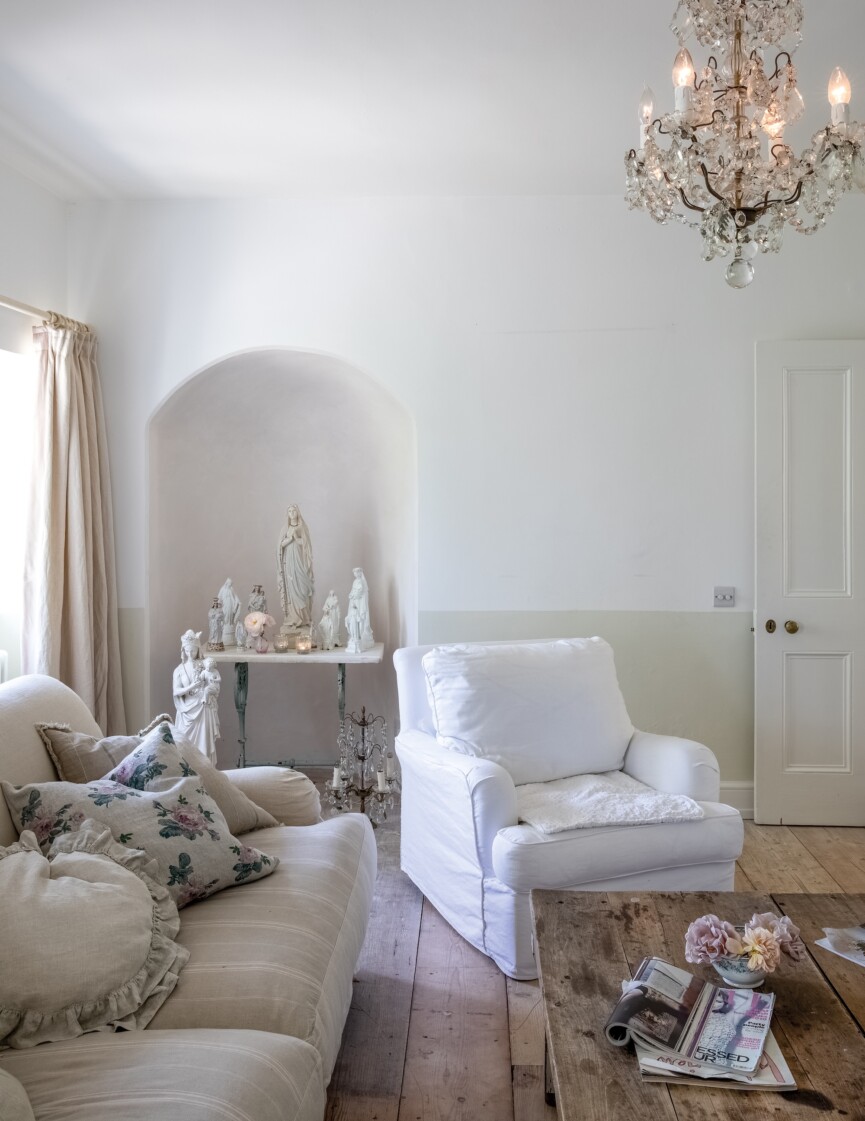
“It’s important for whatever we bring into our homes to have breathing space, so the beauty has room to be noticed.”
After more than three decades of building Shabby Chic, what continues to inspire you now?
My well of inspiration continues to be pulled from films, magazines, homes, hotels, and museums I’ve visited. But in actuality, my inspiration bucket is rarely empty—even if it’s from digging around in my own archives from thirty years ago. What supports my work and keeps me inspired is keeping a calm mind and a team that supports me.
You’ve described your design space as an “organized beautiful mess.” How do you balance structure and freedom in your process?
The beauty of imperfection has been my north star throughout my design work—it gives permission for an item itself to be timeworn. My office and linen room could be considered a beautiful mess: they house an abundance of treasures and archives. But there is still an energy of calm and order rather than a sense of hoarding, achieved by knowing every detail is considered and valued.
For someone wanting to create a home or a life that feels more like their own, where should they start?
There is so much content being shared about different styles and how to live—it can become overwhelming. I think a good place to start is to use my mantra: “beauty, comfort, and function” as a filter. Take inventory of what you already have that you love, either for its beauty or emotional value. Consider if a refresh is needed—a new slipcover, repainting a piece of furniture, a different placement. Curate and edit what no longer brings you joy. Having nothing is better than having the wrong thing.
Then make a list of the voids. Take the time to gather and find. A fluid mood board helps define what you’re drawn to and how the cast of characters sit together. But always remember—this is your private personal sanctuary, and whatever feels right to you is perfect.
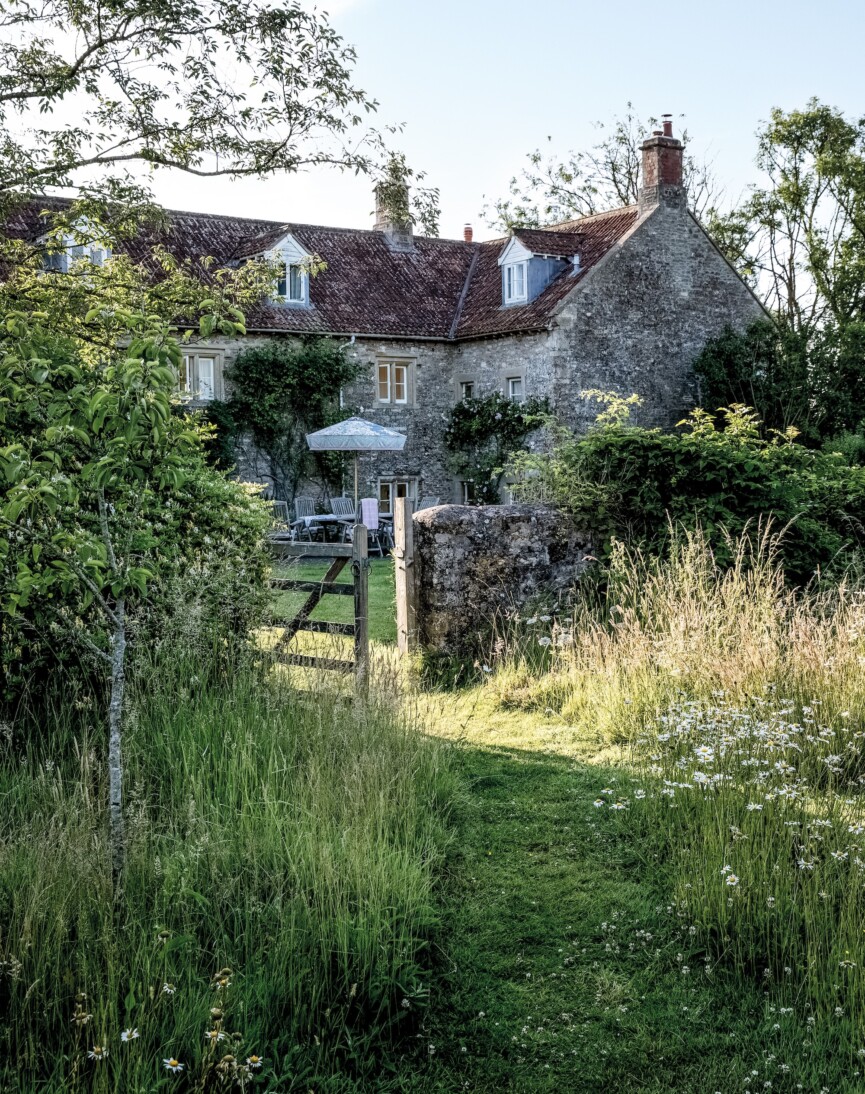
“Having nothing is better than having the wrong thing.”
What does living beautifully mean to you now?
At this stage of my life, peace of mind is my number one priority. I am constantly looking to simplify and reduce the noise, both practically and emotionally—curating and editing in all areas of my life, wanting to be sure whatever and whoever remains brings me joy and that my value is reciprocated. I am not afraid of voids. I trust that whatever is meant to be, will be. The layer of beautiful flowers, mushy cushions, and a fragrant candle is simply the icing on the cake.
Photo: Amy Neunsinger©, courtesy of CICO Books

Copywriter by day, freelance editorial writer by night, and a bibliophile at any moment in between, Isabelle writes to immerse herself and readers in new narratives and contexts. She is passionate about celebrating and illuminating the seemingly small but beautiful details to be found in every moment.
More from this issue

The New Dream Body
What it means to feel well, alive, and at home in yourself this summer.

How to Dress for the Life You Want to Live
Stop saving your favorite outfits for someday.

The Scandinavian Way of Eating Is Simpler Than You Think
Enter: a breakfast recipe for leisurely mornings.

