Compare the dress through the real day
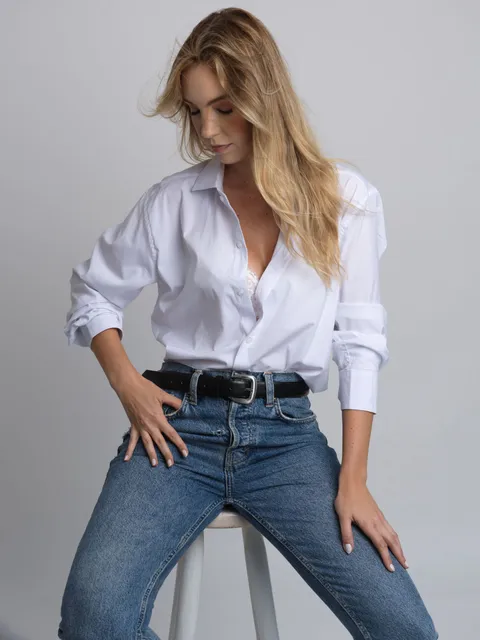
A printed dress can present a different overall pattern when seated than when hanging straight in front of a mirror. Include both views when deciding whether the garment serves the intended day. The useful comparison is personal: do you enjoy the actual outfit while using it normally?
Keep suitable fit and ordinary movement central. A pattern preference should not require forcing a closure or accepting an inappropriate garment arrangement. The print is one part of the choice rather than a substitute for the dress working as clothing.
Keep the supporting outfit consistent
Choose suitable retained shoes, a bag and any layer genuinely needed. Compare the dress with those pieces rather than changing every accessory between views. A consistent group makes it easier to notice what the print itself contributes.
Start with quieter supporting pieces if that helps the comparison. There is no requirement to repeat every colour in the design. One retained neutral or a modest connection can be enough without making the outfit a complete matching set.
Look at the whole pattern
View the actual garment rather than only a close-up of an attractive motif. A small product image may not communicate the finished scale or placement. Inspect relevant product information and the real piece where practical, recognising image limitations.
Our dress reuse guide supports choosing an actual role. Keep the pattern decision tied to the occasion genuinely planned instead of inventing several future events to justify a visually appealing piece.
Include the journey layer
Try the suitable coat or jacket intended for the real conditions. Notice how much pattern remains visible and whether the complete outfit still serves the destination when the layer comes off. A dress can have a different visual emphasis during the journey and indoors.
Our commute guide considers that handover. Choose the actual garment relationship rather than assuming a printed dress needs only plain layers or that different patterns can never work together.
Keep care and identity clear
Read the finished garment's actual material and care information. A colourful appearance does not establish the same maintenance as another familiar dress. Keep useful product details associated with the correct item for later reference.
Our wardrobe guide supports suitable retained combinations. If the dress works appropriately, record the actual accessories that served it. A short personal note can save another decision without inventing universal pattern rules or claiming that one print scale suits every person.
Printed dress questions
Must a print look identical seated and standing? No. Compare the real garment and decide whether both suitable views serve your preferences.
Should accessories repeat every colour? Exact matching is optional; use pieces with real roles.
What if the outfit feels visually busy? Compare fewer optional supporting pieces before deciding the dress itself needs replacing.
Published and updated April 12, 2024. Have a correction or a useful question? Contact the journal.