

LifestyleMay 27, 2025
A Small-Space Breakfast Table Without the Clutter
Create a calm morning setup with a clear surface, useful tableware and a short reset.
The journal
A little more ease at home. Thoughtful routines, welcoming rooms and practical ways to make everyday life feel considered.
Create a calm morning setup with a clear surface, useful tableware and a short reset.
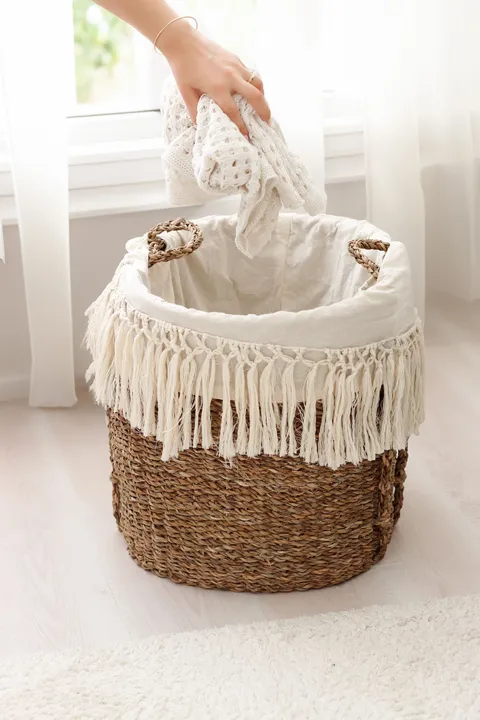
Keep clothing and household linen useful with a care routine based on their individual labels.

Host a relaxed evening with a manageable menu, useful table and time to sit down.

A thoughtful lamp, a place for your book, and fewer objects competing for the nightstand.

A practical order for the tasks that make Monday easier without taking over the weekend.

Choose equipment around your floor space, storage, and the activities you already know.

An organized change of clothes, separate footwear, and room for the journey home.
Try existing color relationships before buying a new set of cushions, throws and accessories.
Give everyday objects a temporary destination while preserving useful surfaces for guests.
Keep the preparation space and responsibility understandable when someone offers to help.
Separate current reading from finished and waiting books so the bedside surface remains useful.
Prepare suitable temporary storage without blocking the entrance or using every chair.
Make towels and personal supplies understandable without filling the room with extras.
Check seated reach and the lamp’s footprint before choosing another side table.
Plan comfortable movement and serving access before a small gathering fills the dining area.
Choose a clear collection, usable size and easy return rather than adding anonymous storage.
Store suitable sheets and layers together with clear care and return information.
Plan the reachable switch, usable surface and appropriate cable route before choosing another lamp.
Give used dishes and clean serving equipment separate routes before the meal begins.
Choose comfortable useful textiles while leaving enough room to sit without clearing a display.
Choose the textiles currently used and a clear care-and-storage route for the rest.
Unpack the essentials, handle clothing appropriately and keep the first evening’s room usable.
Choose one current project, suitable supplies and a clear pause position in a shared room.
Give papers, equipment and the next action clear destinations in a room used for more than work.
Prepare suitable equipment and a clear surface without leaving food outside its storage requirements.
Connect a suitable existing activity with the mat’s cleaning, drying and storage requirements.
Choose one enjoyable activity and a clear return rather than buying supplies for several new hobbies.
Give the Dining Table One Clear Role Between Meals. A practical guide built around the clothes, space and routine you already have.
Choose a Suitable Place for a Guest’s Current Book. A practical guide built around the clothes, space and routine you already have.
Keep Kitchen Conversation Clear of the Working Island. A practical guide built around the clothes, space and routine you already have.
Prepare the Sideboard Before a Small Gathering. A practical guide built around the clothes, space and routine you already have.
Use a Weekend Note for One Small Household Choice. A practical guide built around the clothes, space and routine you already have.
Make room for one personal letter with a clear recipient, modest writing plan and appropriate return, without turning the home desk into another paperwork project.
Choose a modest dinner playlist around the people and real gathering, keeping music a supporting detail rather than another activity that manages the whole evening.
Keep a guest towel colour reference connected to the actual retained products and agreed visit, so a pale matching group does not conceal different roles or care stages.
Choose a suitable napkin arrangement around the meal’s real serving stages, keeping the useful textile and working place setting ahead of a decorative photograph.
Keep a coffee cup display focused on the suitable pieces used in the household’s current routine, with product identity and an appropriate return clearer than a full shelf.
Keep the chosen recipe’s ingredient description connected to the pantry product actually retained, so a familiar container does not replace accurate identity and source guidance.
Give two meal-plan recipes distinct jobs in the actual week, comparing real preparation and equipment needs rather than treating similar food photographs as interchangeable.
Compare a picnic cloth pattern with the actual retained serving kit, choosing a clear visual group without letting decoration expand the real outing’s equipment.
Give ready cloth napkins a clear drawer destination, keeping actual product groups and unfinished care stages distinct instead of using a tidy stack as proof of readiness.
Distinguish a working recipe copy from its dependable source, keeping personal annotations and the actual current version clear for a shared household session.
Choose a small suitable group of white serving dishes for the actual meal, keeping genuine product pairings, table roles and care stages clear beyond a coordinated appearance.
Leave a clear suitable place for a personal gift message, keeping the actual recipient and modest wording ahead of an elaborate wrapping arrangement.
Compare a proposed kitchen wall tone with the timber-looking surfaces that stay, using the real local view rather than an assumed matching material scheme.
Keep a breakfast table’s flower detail modest and suitable for the actual setting, choosing a genuine role without making an ordinary meal manage a decorative display.
Ask one useful question before an evening drink visit, distinguishing actual preferences from the household plan so a modest gathering stays easy to understand.
Give a balcony reading pause a suitable modest ending, keeping the current material, real property requirements and product care clear before adding outdoor accessories.
Read an open chair back against the actual window and retained room, keeping visible gaps and complete shape separate from the furniture’s practical suitability.
Compare retained frame tones against the actual green wall, keeping the artwork and complete room view clear before treating a small colour difference as a purchase need.
Make a small paper colour grid for a personal display, using a bounded retained palette and clear context rather than turning a simple project into a room-shopping plan.
Keep one specific memory from a shared evening in a modest personal note, distinguishing your own recollection from assumptions about the other people involved.
Compare warm whites together under the room’s actual light, separating fabric tone from sheen before an almost-matching throw starts another search for coordinating accessories.
Look at a lamp’s daylight shape before choosing objects around it, comparing shade, stem and base with retained furniture instead of relying only on its evening glow.
Let one pattern lead the sofa corner, comparing the retained room’s actual viewing distances before adding another printed cushion to an already detailed group.
Check the doorway view before a decorative purchase, naming the real room question and retained references so an isolated product photograph does not become the whole plan.
Keep a useful book recommendation in one small note, recording its identity and personal appeal without turning every conversation into another reading list to complete.
Make shared laundry pickup groups clear through completed care and ownership, giving the household an understandable return stage before baskets become another clothing shelf.
Check the complete pot-and-lid pairing before a shared meal, confirming the actual equipment and its instructions while the kitchen is still clear enough to prepare.
Check a refrigerator door’s movement with the complete food box in place, including clips and handles before choosing a larger matching container set.
Keep a household deadline separate from the day chosen to do the work, recording both clearly so a neat calendar entry does not conceal the preparation needed.
Measure a drying rack in its full working shape, leaving space for the loaded fabric and ordinary room movement as well as the frame’s advertised dimensions.
Compare a pillowcase pattern with the bedding already owned, looking at the visible portion from the room entrance before choosing another complete matching set.
Give a large book a workable shelf return, comparing its full dimensions and ordinary retrieval before deciding that it belongs in a decorative stack.
Compare a placemat with the complete place setting, including cutlery and a stable drink position before choosing a pattern or buying a full matching set.
Keep a private record of a hallway picture’s useful details, distinguishing known source information from personal memories without adding labels to the room display.