Choose one real recipient
A personal letter is easier to begin when it has one actual person and purpose. Decide what you want to share before collecting stationery. A brief account of an ordinary moment can be enough; the page does not need to become a complete report of everything since the last message.
Keep the communication welcome and appropriate to the relationship. The aim is a genuine personal note, not a performance of perfect handwriting or a new routine that turns every missed letter into another household task.
Clear the current writing group
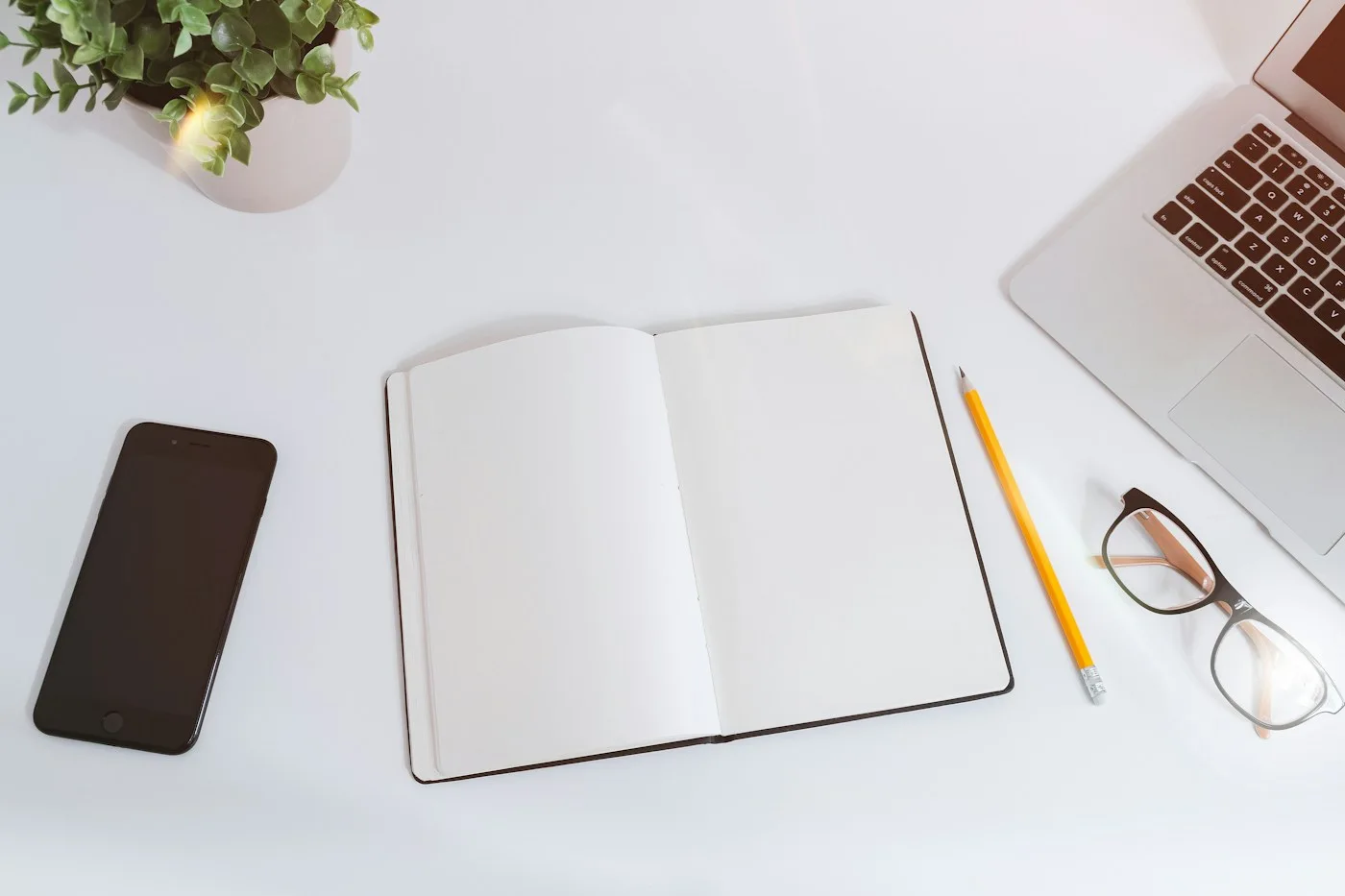
Give unrelated papers their appropriate destinations and keep only the suitable materials needed for this letter. A modest retained pen and paper may serve the task without a new stationery collection. Keep private documents distinct rather than using the letter as a convenient cover for an unresolved pile.
If the desk also serves work or another household activity, agree the real handover where necessary. A writing session should not silently displace someone else's current group merely because the surface would make an attractive photograph.
Give the first paragraph a concrete detail
Begin with the specific reason for writing: a shared memory, a question genuinely wanted answered or an ordinary update. A clear opening can be more useful than a long apology about the time since the previous message. Keep the wording natural to the actual relationship.
Separate what you know from what you are assuming about the recipient. A personal note can invite a response without deciding how someone else feels or turning another person's private experience into a story they did not agree to share.
Keep the ending easy to complete
Choose an appropriate stopping point instead of adding every remaining topic because blank space is available. A simple closing can preserve warmth without creating several new requests. Check the actual recipient information through a reliable appropriate reference rather than guessing from an old remembered address.
Handle personal details and any physical or digital copy responsibly. A pleasant household writing activity does not make every public desk or display suitable for private correspondence.
Return the desk to its real role
Give the completed letter its actual next step and return the suitable materials through their own requirements. An unsent note should remain identifiable as unfinished rather than disappear into a decorative stationery box as if the task were complete.
What if the first draft feels too long? Keep the specific detail that made the message personal and simplify the rest. What if another task interrupts? Leave a clear modest reminder of the actual stage. A considered letter session connects one real person with a useful small writing group and an honest ending.
Keep only the reference still needed after the correspondence moves on. An old draft should not remain an active household reminder once it no longer describes the current message.
Related reading
Close a Home Workday Without Leaving the Desk in the Evening, Use a Weekend Note for One Small Household Choice.
Published and updated July 1, 2022. Have a correction or a useful question? Contact the journal.