Choose the project before the container
A hobby corner can begin with one current activity rather than a permanent display of every supply owned. Choose the project actually being worked on and read the materials' use, safety and care information. Keep tasks and supervision suitable for anyone taking part.
The storage should support a real enjoyable activity, not an imagined routine that requires another shopping list. A chair and a suitable small surface may be enough when the active collection has a clear purpose.
Separate active and occasional supplies
Put out the tools and materials needed for the next stage and keep other supplies appropriately stored. Preserve labels and relevant information. Do not transfer unfamiliar products into decorative unidentified jars merely to create a coordinated corner.
Consider household access, including children and animals, when choosing the position. A portable basket is not automatically suitable secure storage. The actual materials determine where and how the kit can be kept.
Test the seated setup
Sit in the chair and check reach, the usable surface and appropriate lighting for the activity. Use stable furniture and equipment as instructed. Keep cords, exits and ordinary walking routes clear.
Our chair-surface guide offers useful questions about reach. A hobby may need different support from a book or cup, so assess the actual project rather than assuming the same small table serves every activity.
Give unfinished work a pause route
Choose a suitable position for the project when the room changes use. Follow any drying, storage or handling requirements and keep pieces associated clearly. Do not stack unfinished work merely because dinner needs the table.
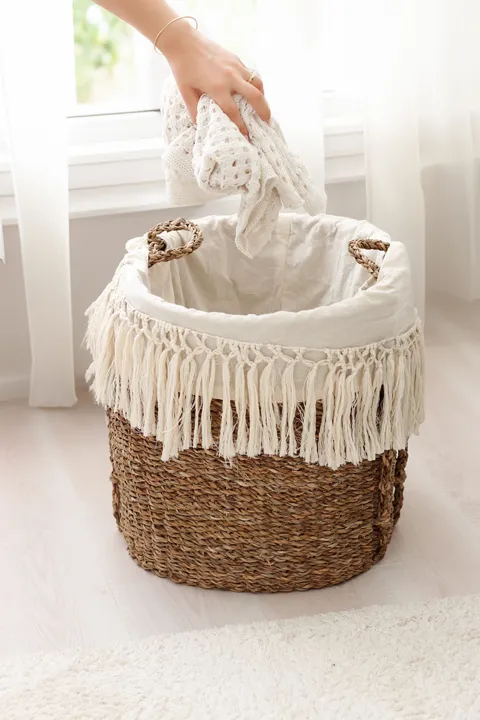
Our basket guide supports a measured container. If the project needs more space than the room can provide appropriately, choose another suitable setup or a smaller stage rather than spreading the kit across every seat.
Return the room through a small routine
Clean and store tools according to their instructions and restore shared surfaces. Keep the next project step noted privately if useful so restarting does not require leaving everything open. The room should remain available for its other ordinary jobs.
Our home reset guide can keep the return proportionate. Review supplies after actual use before buying another organizer. A modest current kit can be easier to enjoy than an entire collection permanently within reach.
Hobby-corner questions
Does a hobby need its own room? Not always. Assess the actual activity's suitable space, materials and household requirements.
Can every supply stay in the basket? Only where its storage and access requirements support that. Keep unsuitable items appropriately stored elsewhere.
What if restarting is difficult? Leave a clear next-action note and an understandable kit. A project can pause without every tool remaining on the table.
Published and updated August 12, 2026. Have a correction or a useful question? Contact the journal.