Choose the sideboard task before clearing it
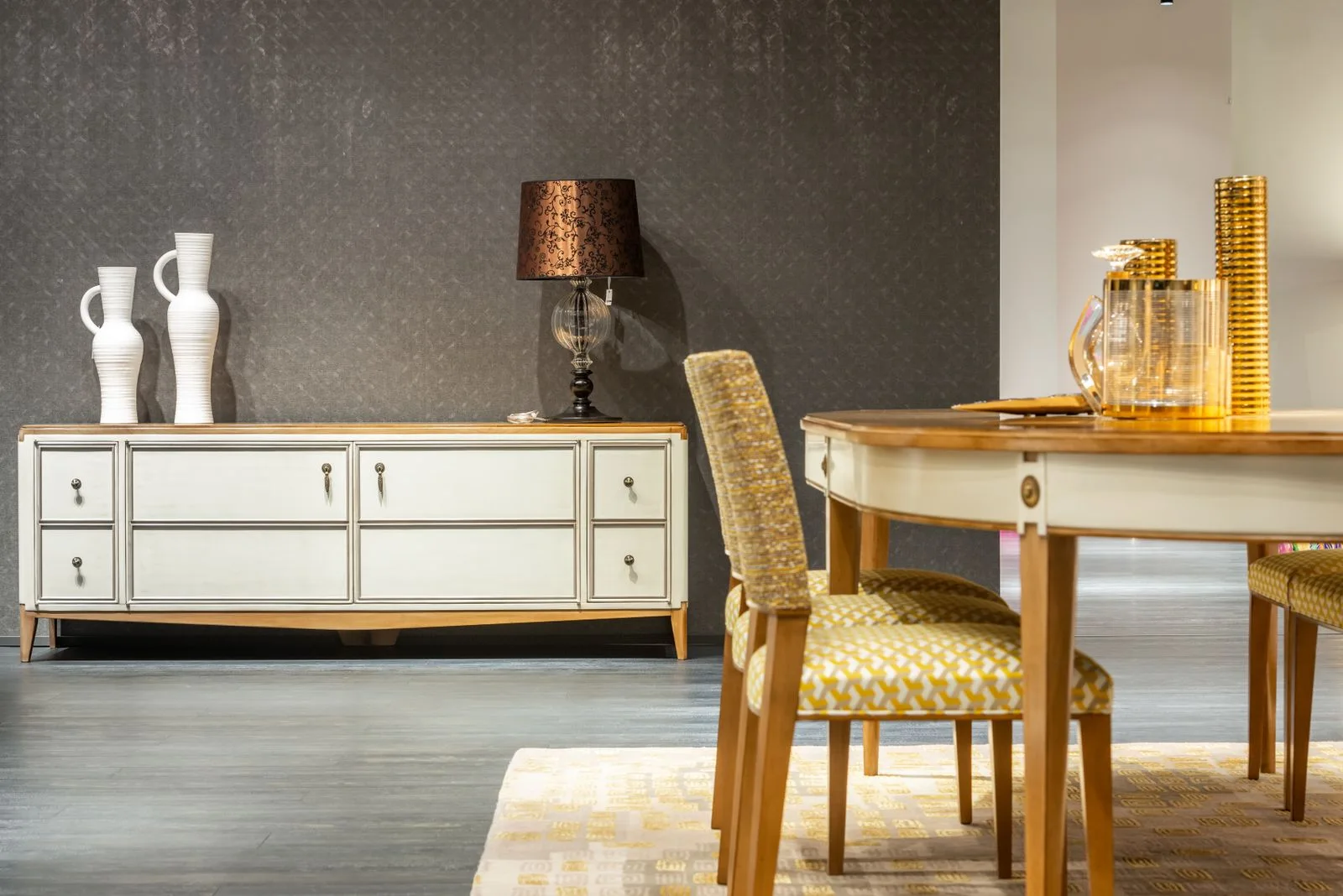
A sideboard may hold a permanent display, household storage and the objects needed for a small gathering. Before moving everything, decide what part of the visit the surface should support. A place for appropriate ready tableware is different from a temporary position for objects being returned to the kitchen.
Follow the furniture's actual use and care requirements. A sideboard near the dining table is not automatically suitable for every appliance, hot item or food-handling task. Choose a role that fits the real product instead of a photograph's decorative arrangement.
Move only what conflicts with the chosen role
Relocate suitable decorative items through clear temporary destinations rather than piling them on another chair. Keep the retained display modest enough that its return will not become a separate evening project. A small useful patch may be enough for the intended gathering.
Our visitor table guide clears space around the actual visit. The sideboard can serve that same scale of decision instead of being stripped completely merely because guests are coming.
Check drawers and doors while the room is occupied
Consider the sideboard with chairs in use and the gathering underway. Notice which storage openings still need access. A serving group placed against a door or handle may look tidy while making necessary retrieval awkward later.
The occupied chair layout guide includes the room's actual movements. Keep that view while choosing the sideboard arrangement, rather than judging clearance only before the guests sit down. Include the particular drawer holding the serving utensils if it will be opened during dinner, and keep that movement separate from the decorative surface arrangement.
Keep the task stages distinct
If the sideboard holds ready items, make that role clear to helpers and keep used items through their appropriate care route. Avoid allowing one surface to become both a display of prepared tableware and an unmarked collection point for everything being cleared.
A simple verbal handover can explain the boundary. More labels or containers may be unnecessary when the gathering is small and the task is well defined. The arrangement should make the visit easier rather than introduce a system that guests must learn.
Return the surface after the gathering
Move the active equipment to its appropriate next destinations and care for the furniture through its requirements. Restore the ordinary display only once the surface is suitably ready. Notice whether the chosen role reduced the work or simply relocated an unresolved pile.
What if the sideboard was not needed? Leave it in its ordinary role next time rather than preparing another station by habit. What if it became crowded? Reduce the active group or clarify which stage belongs there. A useful gathering arrangement gives the surface one understandable purpose while preserving the room's everyday storage and access.
Published and updated January 1, 2024. Have a correction or a useful question? Contact the journal.