Begin at the actual approach
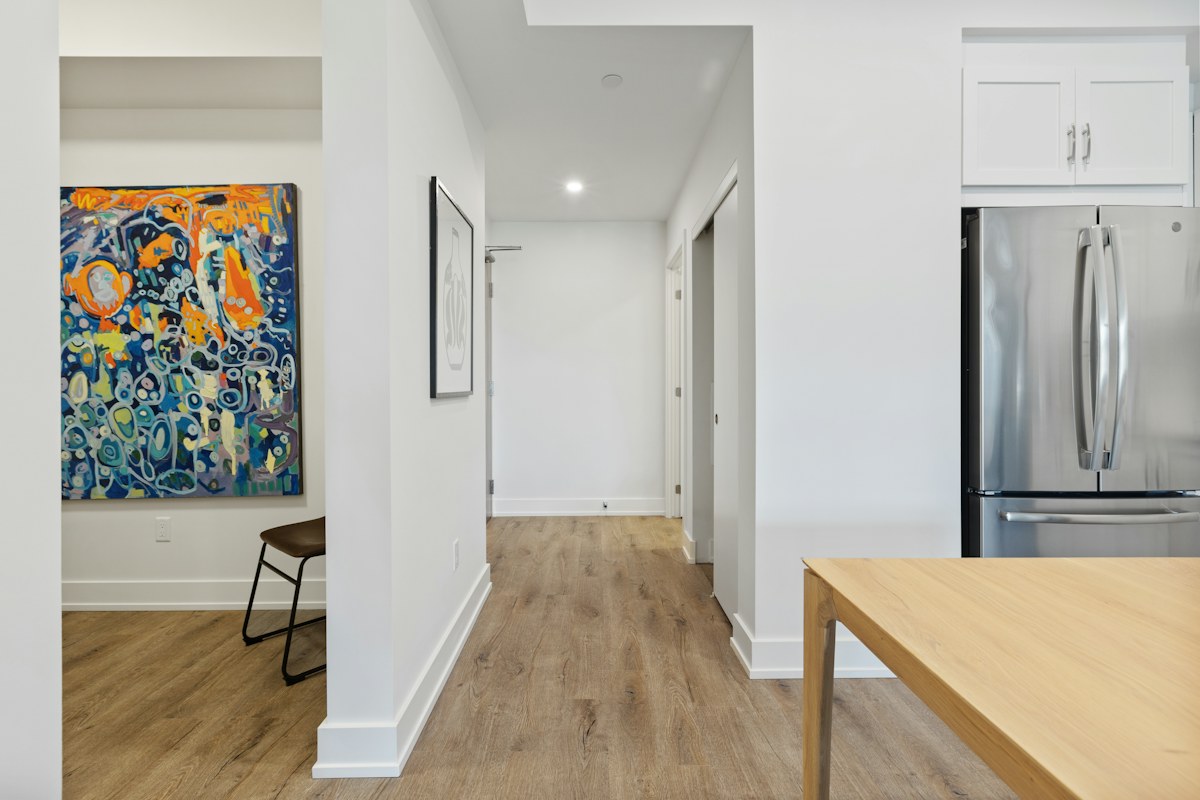
A decorative object can be attractive up close and contribute very little to the view seen every day. Stand where you normally enter the room and notice what is visible: the furniture edge, wall, floor and objects beyond. Keep doors and retained furniture in their ordinary positions.
This is one useful reference rather than the only view that matters. A small object hidden behind a chair should not be expected to answer a colour question that mainly appears from the hallway. Name the actual viewpoint before shopping for its solution.
Write the room question plainly
Describe what feels unresolved. You might want a clearer dark outline beside pale furniture, a quieter group around a picture or a modest connection between adjoining spaces. A vague request for something to finish the room can turn into several purchases with no defined role.
If the need is functional, define that task separately. A decorative bowl does not answer a storage question merely because its shape fits the gap. Identify the actual contents, access and product requirements before promoting an appealing object into necessary equipment.
Compare something already retained
Choose one suitable existing piece that might clarify the view and make that single change. Keep household routes and practical furniture roles intact. Moving the only useful chair out of use to reveal a small ornament may improve the photograph without improving the room.
Look again from the same approach. Did the change make the named relationship clearer, or merely add another colour? A decision to return the object to its original place can be a complete result of the comparison.
Include the place where you spend time
Check the view from the ordinary seat or working position too. An object that settles the doorway outline may become distracting close to the chair. The room does not need to look identical from every angle, but its main everyday views deserve attention.
Use photographs to remember versions, not to prove exact colour or scale. A wide camera angle can exaggerate space and automatic exposure can alter pale surfaces. Return to the physical room before choosing a subtle finish from an online image.
Keep the purchase brief specific
If a new object still has a clear job, record the actual dimensions, retained colours and viewpoint that matter. Note any practical requirement still unresolved. A candidate that does not answer those points can remain an idea rather than become a household need.
The doorway check is useful because it reconnects an isolated attraction with the home it would join. A new piece can still be the right choice, but its purpose becomes easier to explain. Sometimes the clearer result is a small edit among retained objects, leaving the room complete without another accessory added to a gap that never needed filling.
Related reading
Use a Weekend Note for One Small Household Choice, Connect One Green Detail With the Living Room You Already Have.
Published and updated May 12, 2022. Have a correction or a useful question? Contact the journal.