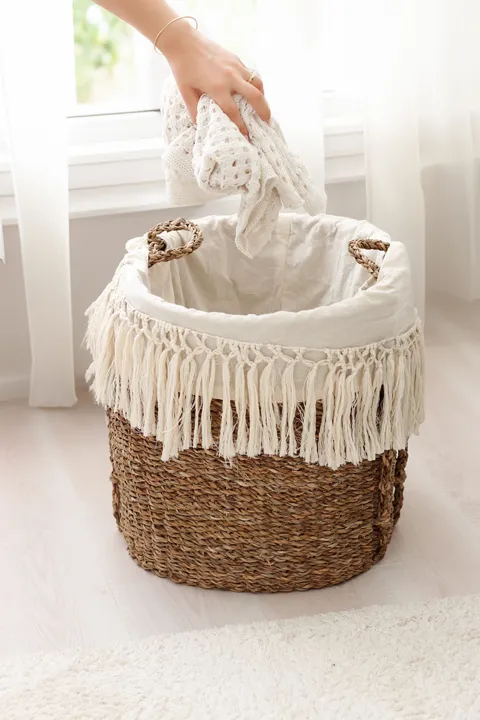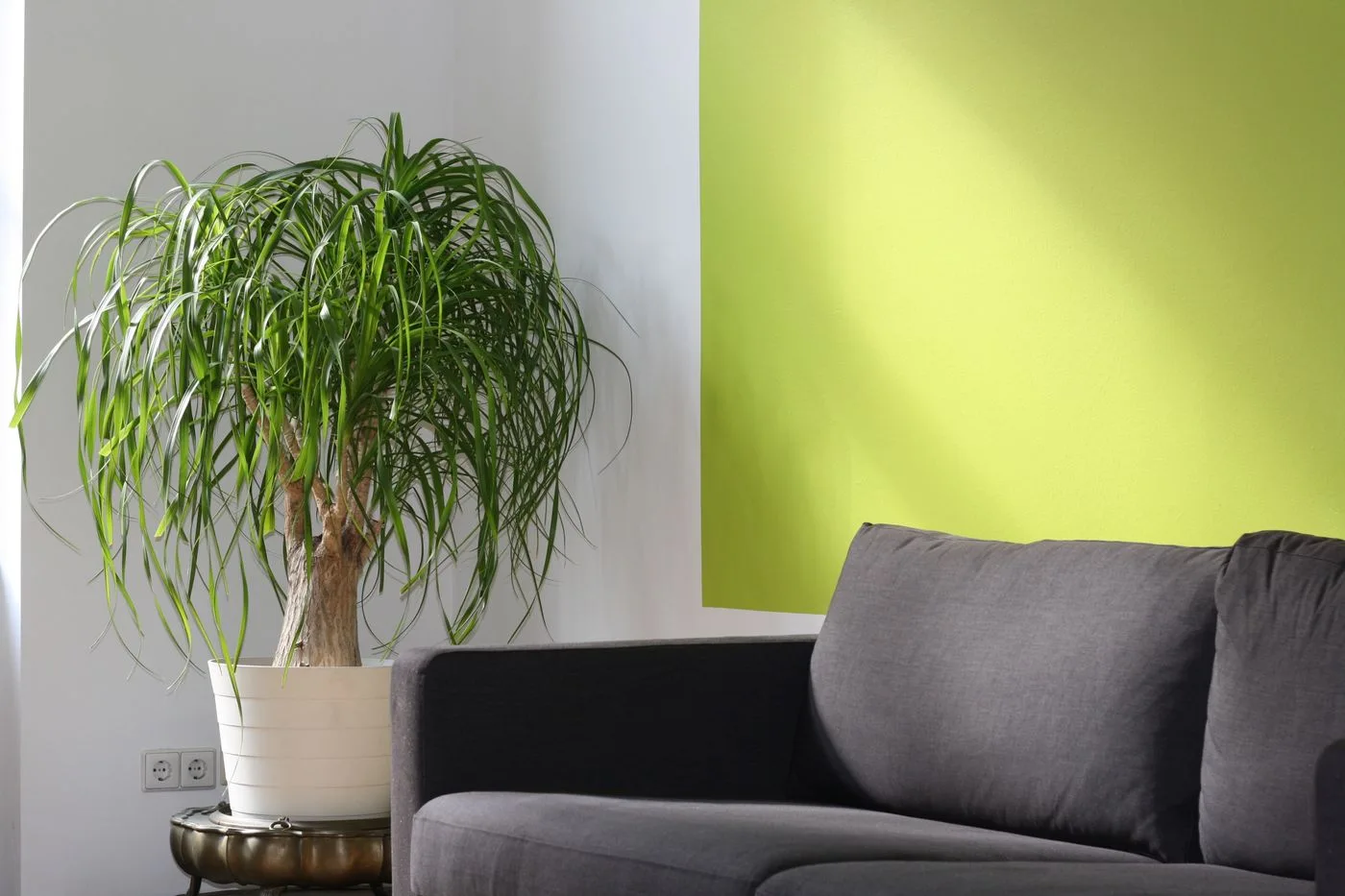
Choose the detail you want to enjoy
A green chair, textile or other detail can bring character to a living room without becoming a complete decorating scheme. Start with the actual piece and the job it serves. Keep useful furniture and comfortable circulation in place before arranging the color around it.
Look at the fixed floor, walls and larger furniture in ordinary daylight and evening light. The question is whether you enjoy the relationship in this room, not whether the shade matches a screen photograph or a universal palette rule.
Find one existing connection
Look for a small color or material relationship already present: a detail in artwork, a book cover or a textile you use. Try moving one suitable object rather than buying several green accessories. A connection can be quiet and still feel deliberate.
Keep the object's original practical role in mind. Moving the only reachable lamp to improve a color composition may create another inconvenience. A decorating trial is useful when the whole room remains comfortable to use.
Check the ordinary views
Stand at the entrance and sit in the usual seats. Notice how much visual space the green occupies from each position. A bright detail may feel stronger beside one material and quieter beside another; compare the actual room rather than relying on an abstract rule.
Change one thing at a time and take a private reference photograph if helpful. Leave the arrangement through an ordinary evening before deciding it needs more objects. The room should be judged with books, cups and other daily belongings in use.
Leave seating and surfaces practical
Keep cushions, throws and decor from occupying the places people need. Follow the products' care and use information, and read plant-specific guidance if a real plant is part of the arrangement. A decorative color choice does not establish that a species or location suits the household.
Our small gathering guide helps check the room when company arrives. The home reset guide can keep the everyday return modest.
Buy only for a clear remaining role
If a gap remains after the trial, name it specifically: a usable textile, appropriate light or storage for a real collection. Compare dimensions, care and existing partners before shopping. A matching color alone is not a useful job.
Keep the reference of what worked and return moved objects appropriately if they are needed elsewhere. One well-placed detail can remain enough. The room does not need to prove a color theme through every surface before it feels considered.
Green-detail questions
Must all green shades match? Compare the actual materials and your preference. Exact matching is not a universal requirement.
Should a plant be the connecting detail? Only when the actual species, care and household suitability support it. An empty corner is not enough information.
What if the room feels busier? Remove one optional object and reassess the main layout. More repetition may not be the missing ingredient.
Published and updated January 1, 2026. Have a correction or a useful question? Contact the journal.