Notice the object when it is unlit
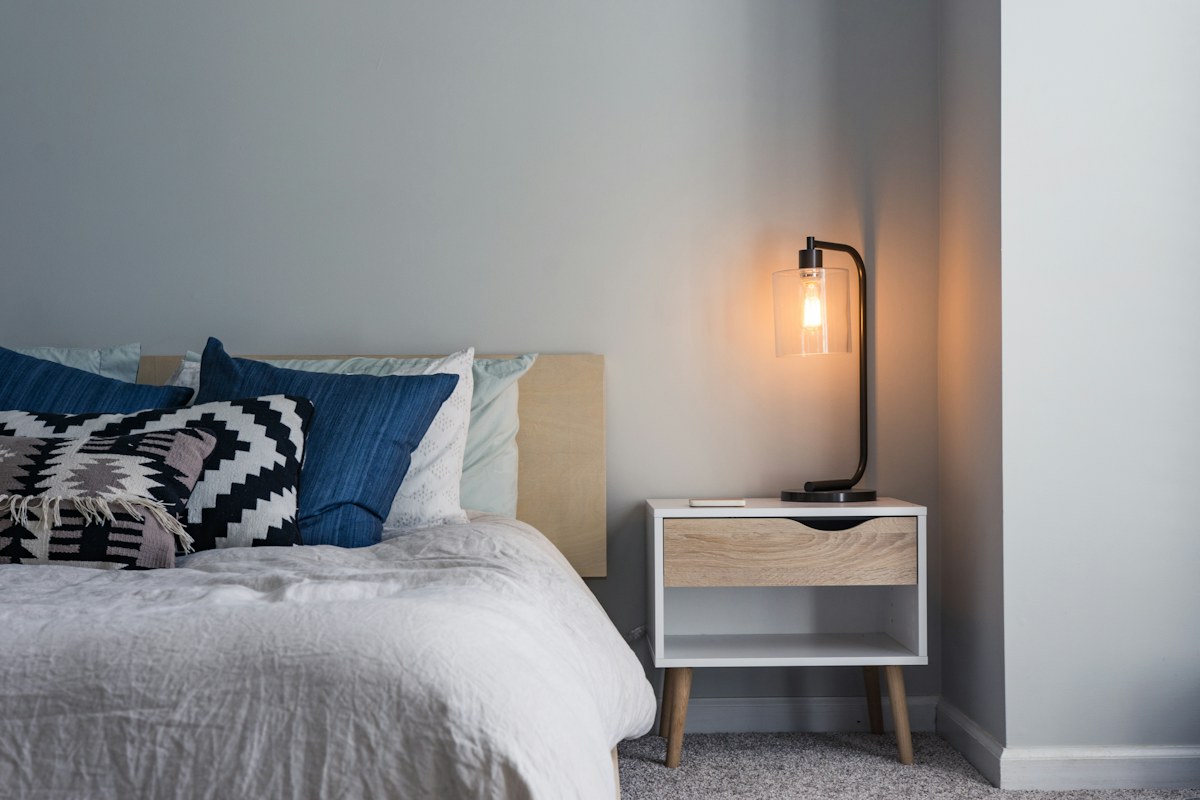
A lamp can create an inviting evening glow while its shade and base remain visible through the rest of the day. Look at that unlit shape from the room's normal approach. Notice which component catches your eye first before deciding the corner needs another accessory.
The shade may form a broad pale block while the stem almost disappears. A small reflective base may become stronger than its size suggests. Those parts can contribute differently without the entire lamp needing replacement.
Include its retained neighbours
Look at the lamp beside the actual table, bed or chair. Their outlines give it scale. A product photograph against a blank wall cannot explain the relationship with a tall headboard or a low retained surface at home.
Keep the necessary everyday objects in view. A lamp arrangement that only works after a current book or essential control has been hidden may not suit the room's real task. Separate the practical requirements from optional decoration before comparing the group.
Name the specific disagreement
Is the shade too visually broad beside the frame, the base too shiny or the stem lost against the background? A precise observation provides a clearer next comparison than a general wish for softer lighting. The issue may concern only one visible material.
Use daylight and the ordinary evening lamps to understand the difference. A phone image can exaggerate a highlight or alter a pale tone, so return to the physical room before deciding that a matching accessory will solve it.
Edit the surrounding surface first
Set aside one optional decorative object and look again from the same position. The lamp may already supply enough height and shape once another detail stops competing. Keep the table's genuine working patch available rather than filling every visible gap.
If a retained suitable object offers a quieter partner, compare that single change before buying. It can relate through warmth, texture or a repeated dark line without matching the lamp exactly. The whole room view matters more than a close-up finish comparison.
Keep equipment decisions separate
Follow the actual lamp's installation, placement, electrical and compatibility information for any practical alteration. Do not cover a shade, improvise a fitting or substitute an unverified part for a decorative trial. A colour preference cannot establish equipment suitability.
Save the smallest usable group you enjoy by day and after dark. Note the actual lamp identity where it matters and the component that led the visual decision. A lamp can remain a distinctive room object without being surrounded by matching pieces. Once its daylight contribution is understood, the corner may need less decoration rather than a complete new set of furniture to make the evening scene feel finished.
Related reading
Check a Bedside Lamp’s Controls From the Bed, Give a Reading Chair a Usable Cup-and-Book Surface.
Published and updated April 12, 2022. Have a correction or a useful question? Contact the journal.