
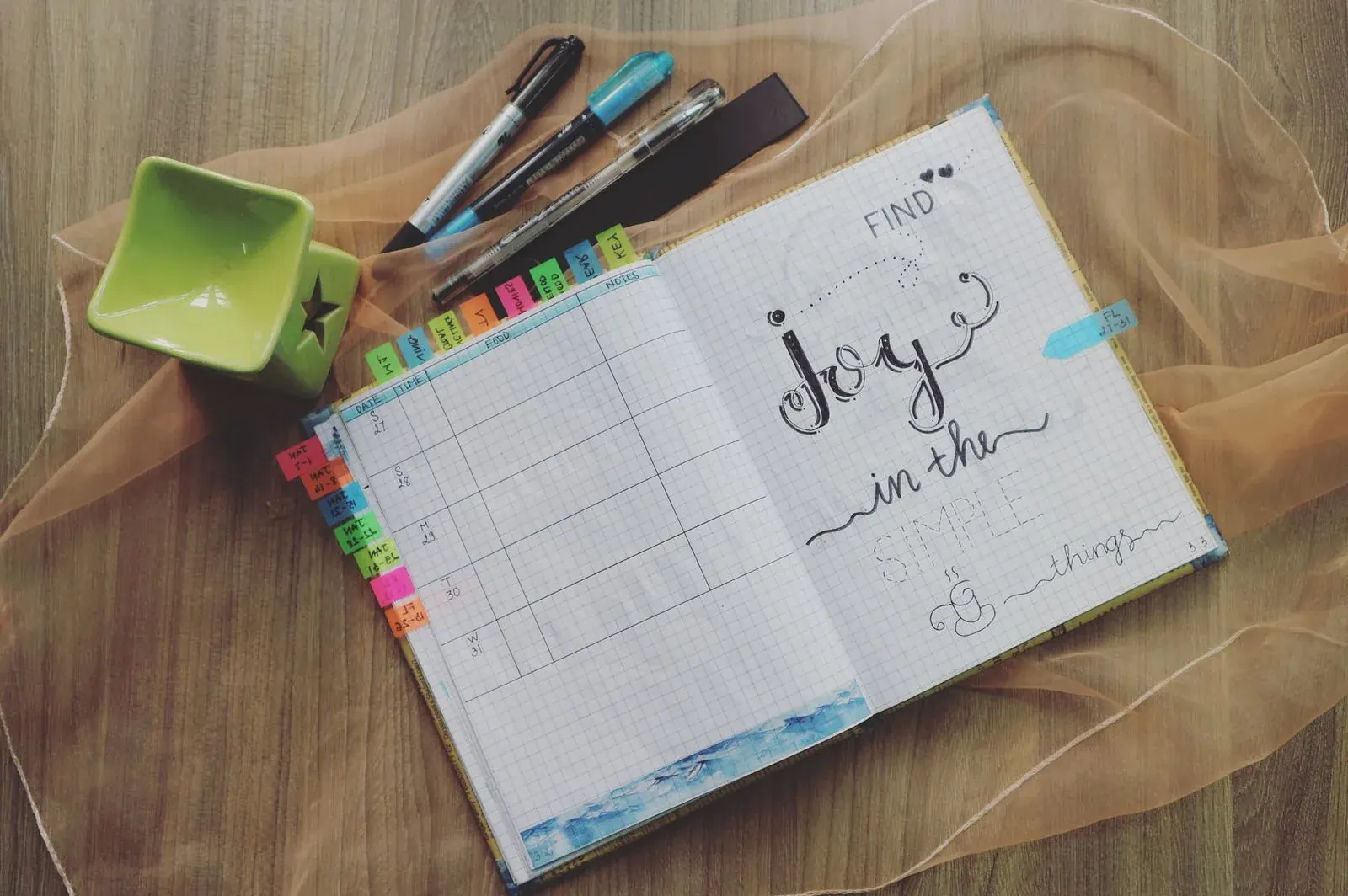
A date written in a planner can mean two different things: the day a result is needed or the day you intend to work on it. Keeping those meanings separate makes household planning clearer. A single neat entry should not hide several preparation steps that still need time.
Identify the actual deadline
Write what must be ready and when, using the information from the real arrangement or source. A borrowed item due back and a household task you hope to do on Saturday are different commitments. Label the difference rather than giving both the same appearance.
Use an exact date where it matters. A note saying next week can become ambiguous when it is copied or read later. Keep the relevant source or message reference available so the date can be checked instead of repeated from memory.
List the work that comes before it
Name the practical actions needed to reach the result. Returning borrowed equipment may involve suitable care, checking components and arranging a handover. Buying a replacement item may require a measurement before the shopping trip.
Keep the list specific to the actual task. Do not create a large generic checklist that makes a small job look more complicated than it is. One missing dependency can matter more than several decorative reminder boxes.
Choose a realistic working date
Put the preparation action on a day when the required time, place and people are available. Leave a reasonable margin where the task depends on another person's response or an item arriving. A deadline itself is not automatically the best moment to begin the work.
If the plan changes, move the intended work date deliberately while preserving the real deadline. Otherwise a postponed reminder can accidentally make the fixed commitment appear postponed too. Keep the two entries connected with plain wording so another household user can understand them.
Close each stage honestly
Mark preparation complete only when its actual action is done. A message sent is not the same as a handover confirmed; a measurement taken is not the same as a replacement purchased. Record the current state without treating the planner as evidence that the result has already happened.
When the final commitment is complete, remove temporary reminders that no longer apply. Keep only information with a useful ongoing role. If a task repeatedly slips, review the missing resource or unclear next action rather than copying it forward indefinitely. A planner works best when it distinguishes an obligation from the household's chosen route towards it, leaving room to revise the route without losing sight of the real date.
Keep a short cross-reference beside each date so the planned work and the fixed commitment can be checked together.
Related reading
Use a Weekend Note for One Small Household Choice, Make a Shared Laundry Pickup Understandable.
Published January 1, 2022. Updated January 1, 2022. Explore the journal’s support information. Contact the journal.