Build real outfits before writing a shopping list
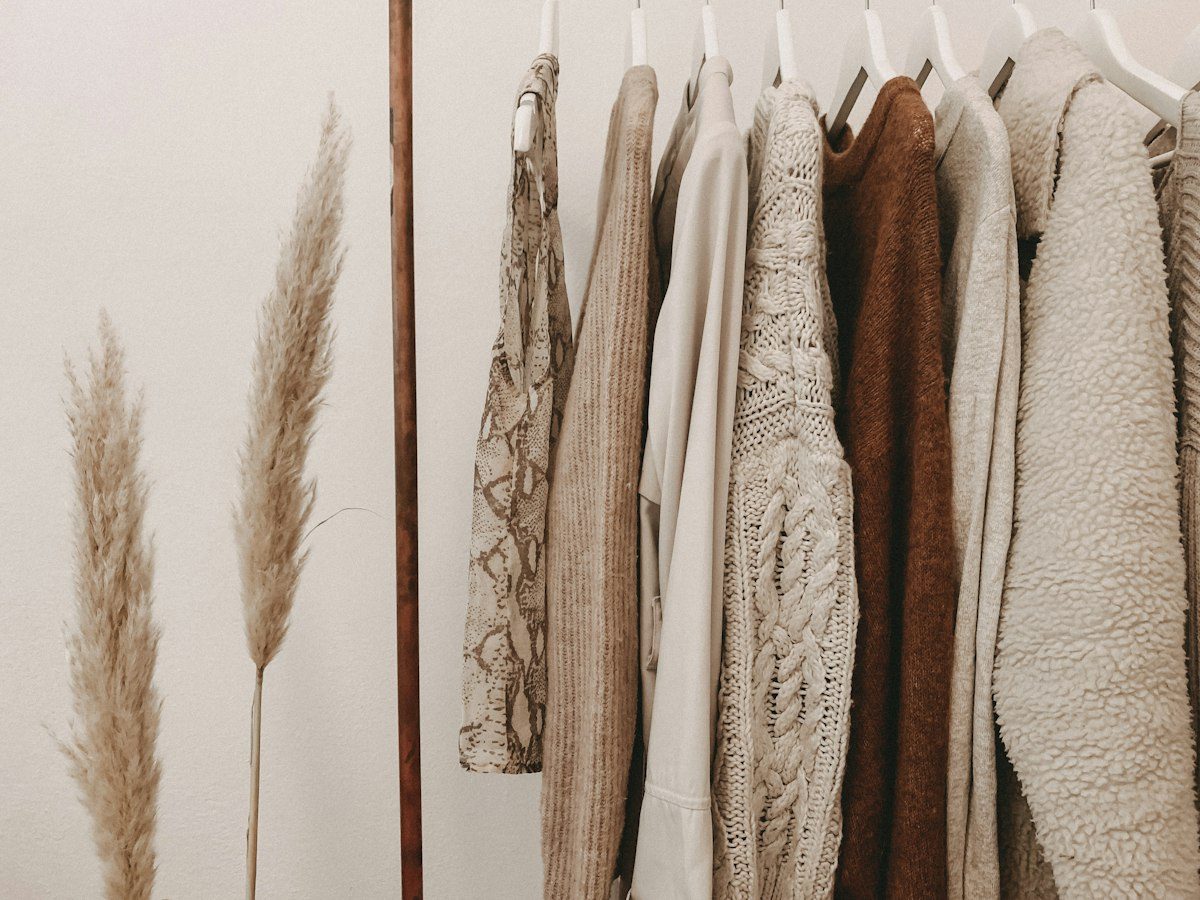
A small temporary outfit rail can help distinguish a genuine wardrobe gap from a vague feeling that nothing works together. Choose the clothes needed for actual upcoming days and assemble suitable retained combinations. The exercise should begin with real activities, not an imagined schedule created to justify new purchases.
Use the rail through its intended loading and storage requirements. A photograph of neutral garments does not establish that the same collection suits every person or climate. Keep the clothes' actual product information and the wearer's needs central to the comparison.
Keep the active group limited
Choose only the outfits being considered now. A rail filled with the whole wardrobe can recreate the same confusion in a more visible place. Keep other clothing appropriately stored and preserve any care distinctions that matter to its condition.
Our working-week wardrobe guide starts with actual roles. Use that scale rather than trying to create a universal capsule from every retained piece. A modest current group makes the unfinished outfit easier to identify.
Name the missing function precisely
If an outfit remains incomplete, write the actual requirement. It may need a suitable outer layer, footwear for a specific activity or a garment that supports an ordinary seated task. A note saying more tops is less useful than a clear description of the role the retained clothes cannot currently serve.
Check whether another existing piece can meet the need appropriately. The two-top comparison guide changes one element while preserving the rest of the outfit. That can reveal a retained solution before the gap becomes a shopping instruction.
Distinguish care from absence
A garment awaiting appropriate care or repair is not the same as an item the wardrobe does not contain. Keep that condition clear and decide the next suitable step through the garment's requirements. Do not buy a replacement automatically because an owned piece is temporarily unavailable.
Similarly, a piece that never served the intended task may need another role rather than another near-identical purchase. Record the genuine observation from use instead of assuming a matching color will resolve a practical fit or handling problem.
Close the exercise deliberately
Return the selected clothes to appropriate storage once the outfits and open questions are clear. Keep any useful notes specific to the current week and remove obsolete shopping ideas. The rail should not become a permanent collection of undecided garments simply because it looks organized.
What if every outfit feels incomplete? Check whether the intended activities and expectations are realistic before expanding the list. What if one gap is confirmed? Use its precise function when comparing suitable products. A useful outfit rail reduces uncertain purchases by showing what the wardrobe actually needs to do, not what a coordinated photograph appears to lack.
Published and updated September 1, 2023. Have a correction or a useful question? Contact the journal.