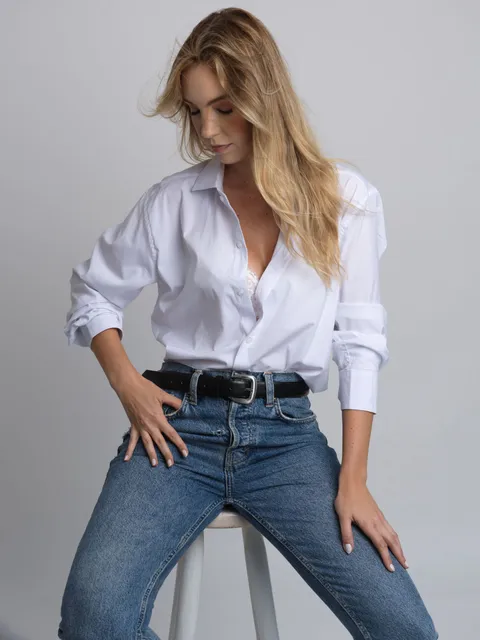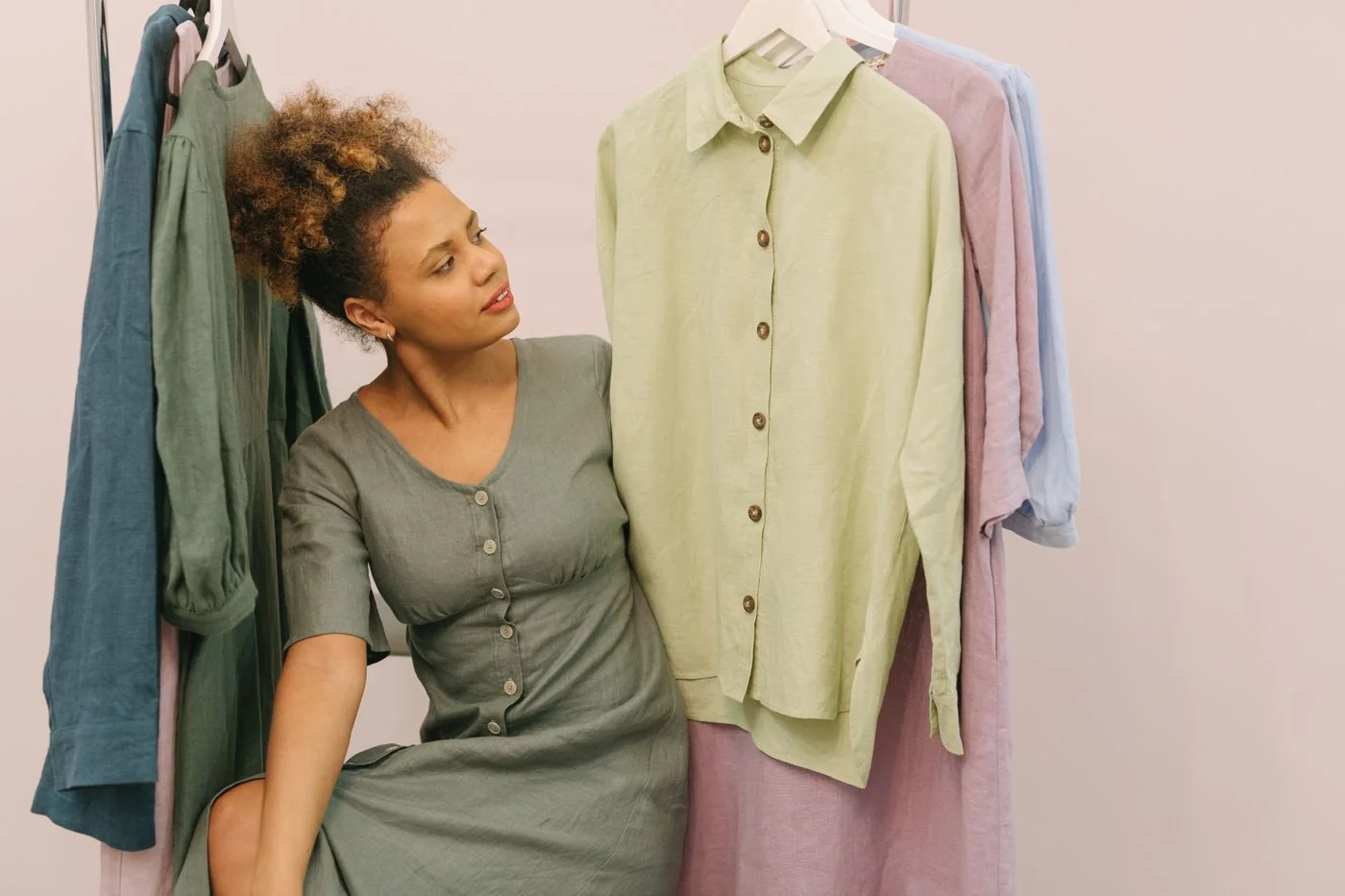
Keep the actual garment identifiable
A fitting-room visit can produce several promising impressions while the garment details become difficult to distinguish afterwards. Keep a clear reference for the actual item where the store's rules and appropriate privacy considerations allow. A vague memory of the blue top may not serve the later decision.
The aim is a useful personal shopping note, not collecting photographs of other people or a public product review. Respect the actual setting and keep personal information handled appropriately.
Record what matters to the decision
Choose the garment's relevant identity, actual fit observation and intended role. A short note can be enough. Distinguish confirmed product information from a personal impression or a question still needing an answer.
Keep size labels in context. They do not establish identical finished dimensions across every product. A useful note might identify the actual garment tried and the suitable retained piece it would accompany, rather than treating one label as a universal fit result.
Compare the real outfit role
Think about the actual day the garment would serve. Include suitable underlayers, outerwear, footwear and carrying needs where relevant. A good individual fitting-room view is only part of a complete outfit decision.
Our wardrobe guide supports real combinations. Keep the note tied to a genuine missing role rather than a hypothetical future event created to justify an attractive item.
Preserve care information
Read relevant material and care guidance for the actual product. Consider whether the household can appropriately provide the required maintenance. A pleasant first impression does not establish that the garment suits the routine after purchase.
Our knitwear guide considers one material-focused decision. Other garments still need their own instructions. Keep actual care details associated with the correct reference rather than copying information from a similar-looking piece.
Check current details before acting
If the purchase is made later, confirm the actual product, current specifications and retailer terms directly. An old note is a personal reference, not a promise of availability, price or return options. Resolve unanswered fit or material questions before treating the shortlist as complete.
Our accessory guide supports another task-based choice. Keep the reference collection small enough to review without another sorting project. A useful fitting-room note can end with buying nothing and understanding the actual wardrobe requirement more clearly.
Name the exact retained garment it would accompany, and keep an unresolved question separate from a confirmed fit observation.
Item reference questions
Must every try-on be photographed? No. Use an appropriate permitted note or other suitable reference.
Can a size label alone identify useful fit? Keep actual garment and personal observations clear too.
What if the item changes before purchase? Confirm current product information directly rather than relying on the older note.
Published and updated March 12, 2024. Have a correction or a useful question? Contact the journal.