





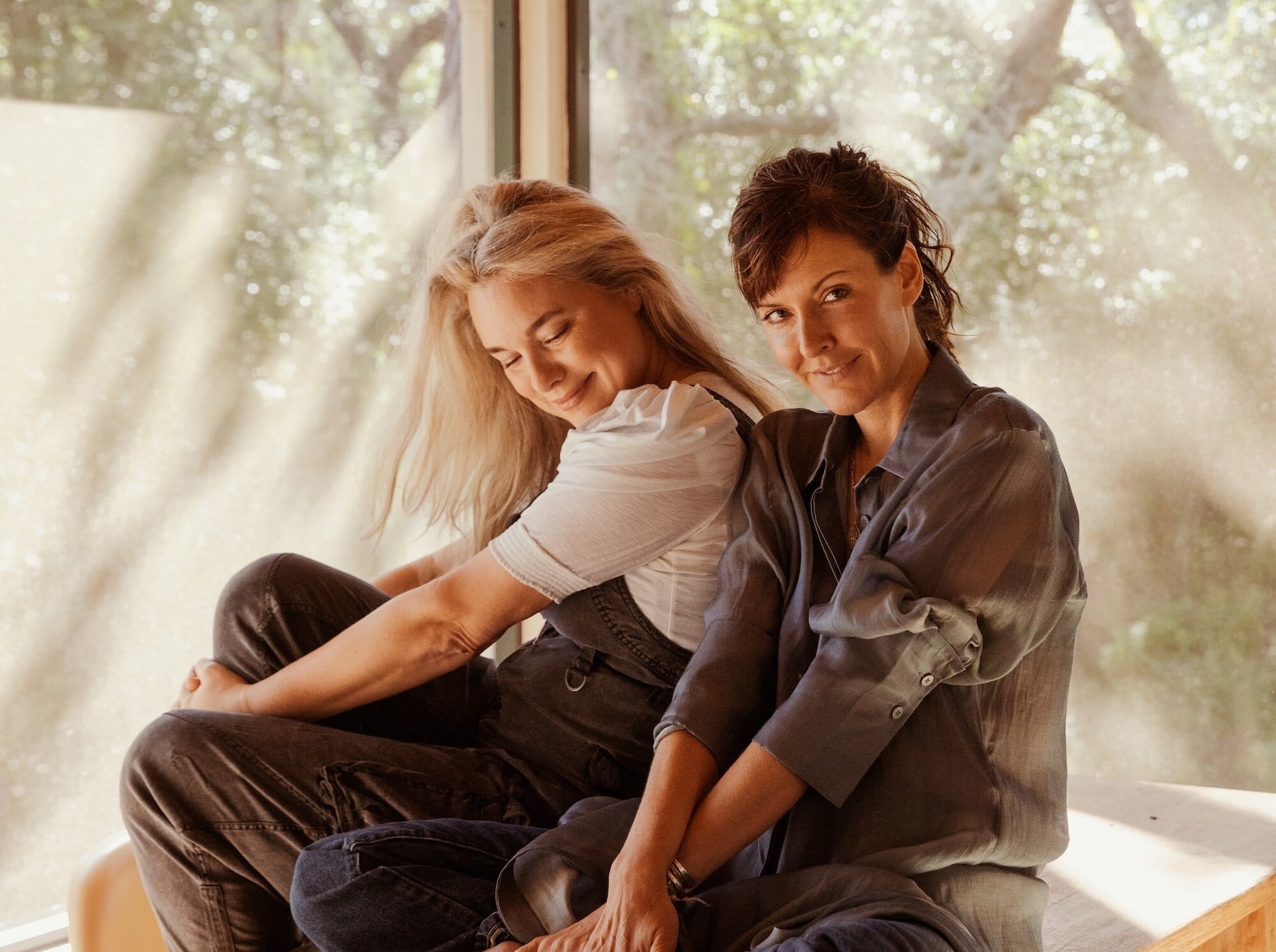
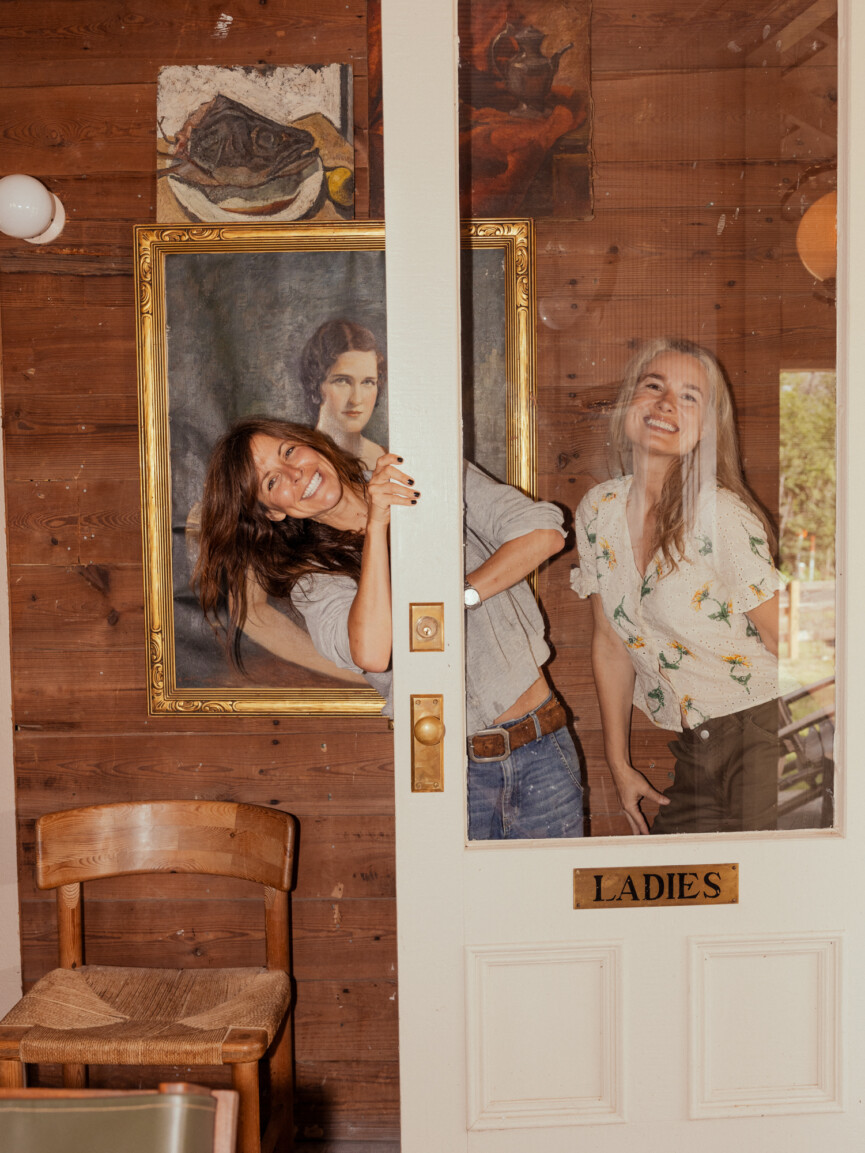
Grace Mitchell and Leanne Ford. Photography by Sarah Barlow, Reid Rolls, and Amy Neunsinger
Some collaborations are carefully planned. Others feel like they were always meant to happen. When I sat down with Leanne Ford and Grace Mitchell inside the 1800s cottage they renovated together in Round Top, Texas—sunlight pouring through old windows, the patina of layered history everywhere you looked—it was clear theirs is the latter.
That spirit is what defines both their friendship and their work. There’s a sense of freedom in everything they create together—spaces that feel collected rather than calculated, intuitive rather than over-designed. In a world that often prioritizes perfection and polish, Leanne and Grace are drawn to something more alive: homes that evolve, pieces with stories, and the kind of beauty that only happens when you leave room for the unexpected.

“We were having similar experiences, and it was immediately a feeling of, Oh—you get it.”
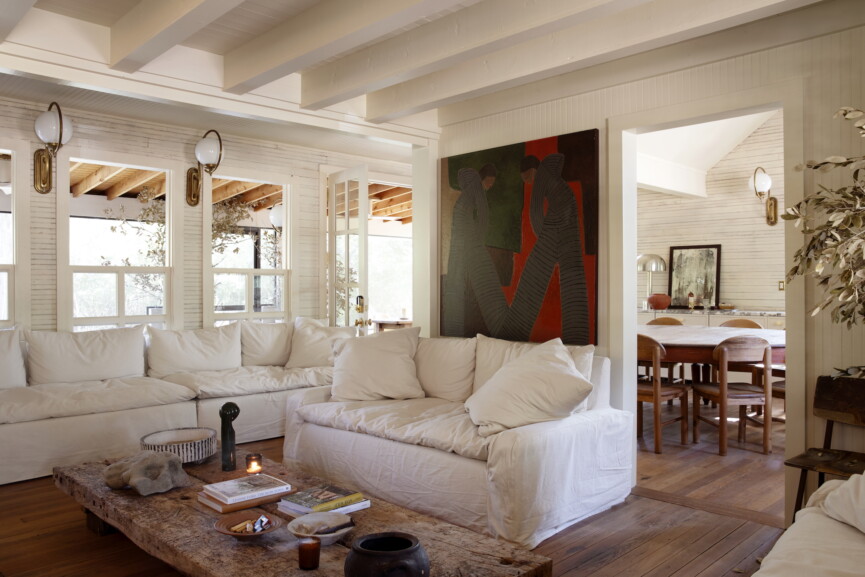
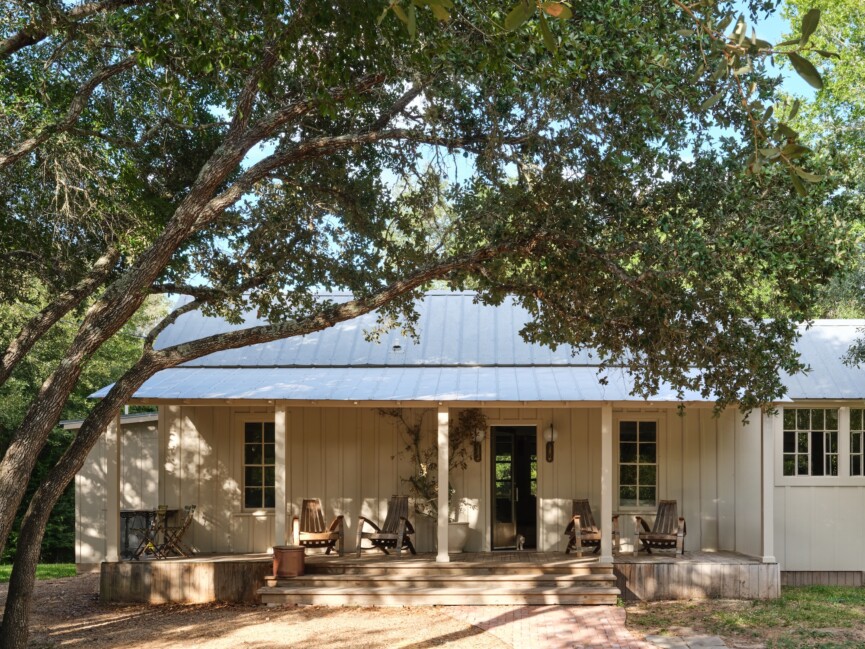
Their shared Round Top project is perhaps the purest expression of that philosophy. Built from salvaged materials, “leftover” pieces, and a lot of creative trust, it’s less about following a plan and more about following a feeling. The result is a home that doesn’t just look beautiful—it tells a story.
In our conversation, we talk about the winding paths that led them to design, the creative partnership that’s expanded what each of them thought possible, and what it looks like to design a life—and a home—that reflects the season you’re actually in.
A Shared Language
Camille: Take me back to the beginning—how did the two of you first connect?
Grace Mitchell: We both had TV shows and shared the same production company, and people kept saying, “You’re kind of weird, and Leanne is kind of weird—you guys should know each other.” So I finally got her number, and I called her. We were having similar experiences, and it was immediately a feeling of, Oh—you get it.
It wasn’t until later that we met in person, but we found this kindred spirit in each other, both creatively and personally.
Camille: What do you each bring out in the other creatively?
Leanne Ford: Grace’s attention to detail is wild to me. She can think through everything—outlets, layouts, all of it—while still making it feel artistic. I’ll walk through her house, and I’m blown away, because I know how many of those details she had to figure out months before the walls were even up.
We both have art in common. We both have design in common. We both have vision in common. But we also balance each other. Where one of us is weaker, the other is stronger.
And the biggest thing is—we’re both “yes, and” people. When you have an outside-the-box idea, so many people in your life will say, “You can’t do that.” But with Grace, it’s like, “Yes—and what if we did this too?” That’s really rare.
Grace: Leanne has this incredible sense of freedom. I feel free creatively now, but it’s been such a journey for me to get there. Leanne just lives in that space naturally. She’ll take something and flip it, use it in a completely unexpected way. It’s been so fun to work together and see that up close.
When we started this project, I was coming out of kind of a dark time in my life where I was questioning everything—like, am I even good at this? Do I need to do something else?
And this project has been such a beautiful process of remembering, I love to create.
Following the Feeling
Camille: What drew you both to this project in Round Top?
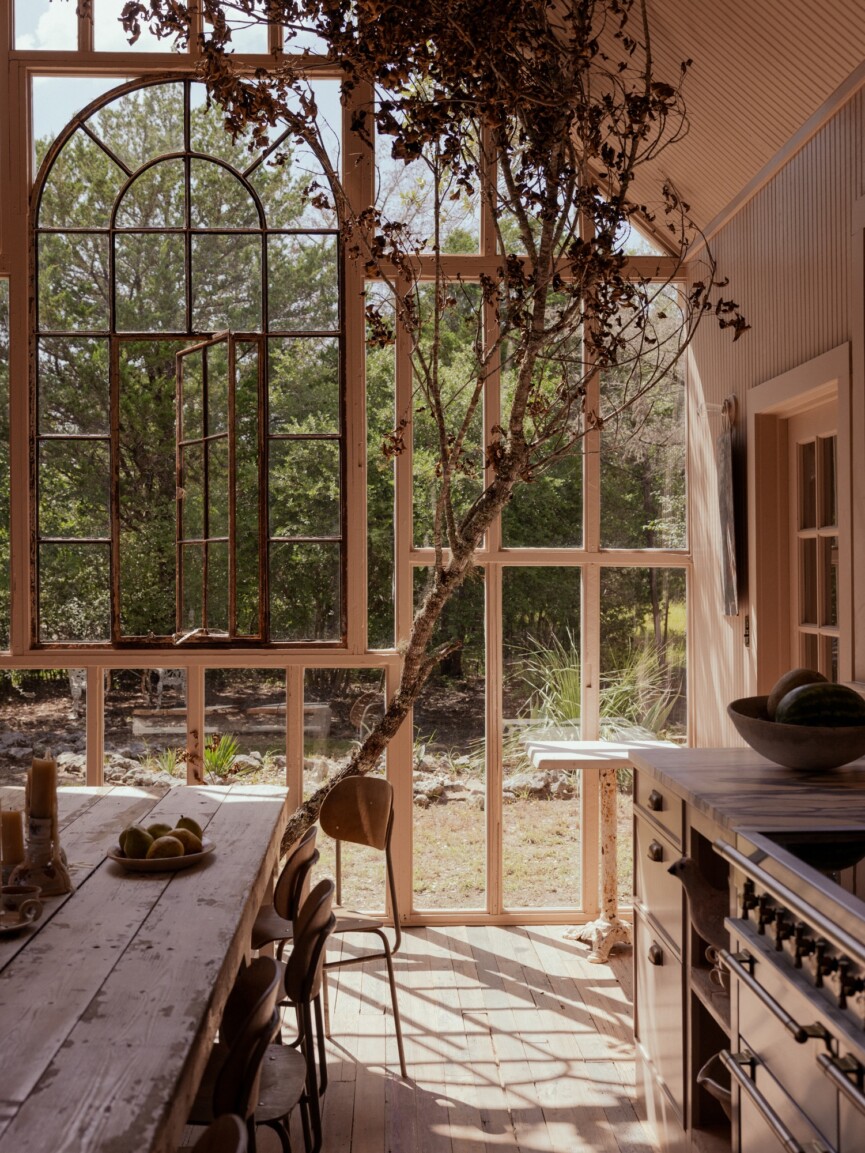
Leanne: We found this rural property with a recently renovated farmhouse—and for some reason we immediately thought, We need to buy this house. It was kind of crazy, but I had a gut feeling about it. Well, at the last minute, Grace and her husband decided to buy it with us. It happened so fast, and the next thing we knew, Grace and I went to Round Top and bought furniture to fill the entire house before it even closed.
Later, Grace found this other old house—basically a shack—that someone was trying to get off their property, and we agreed to move it onto our land. It cost $30,000 just to move it—and there was nothing inside. No plumbing, no anything.
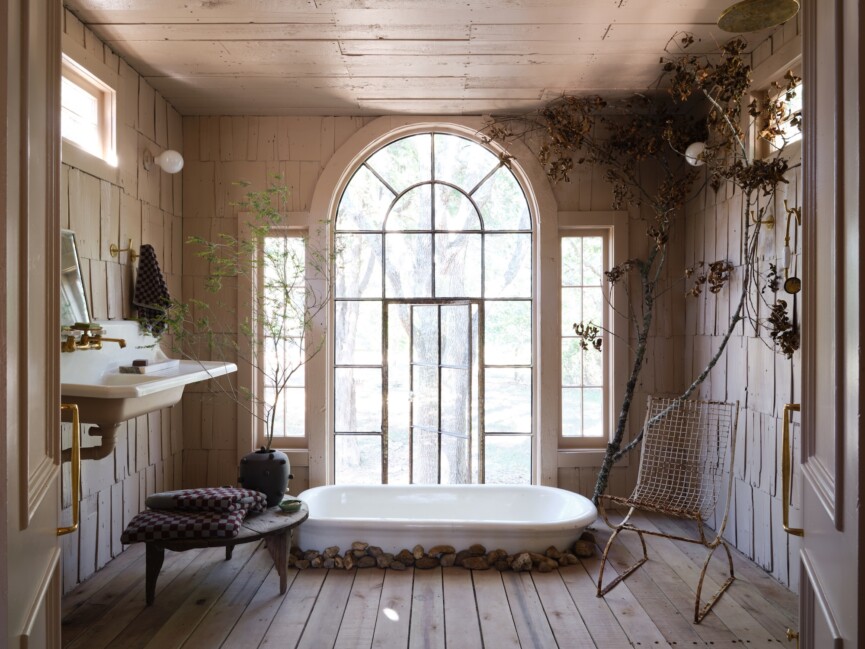
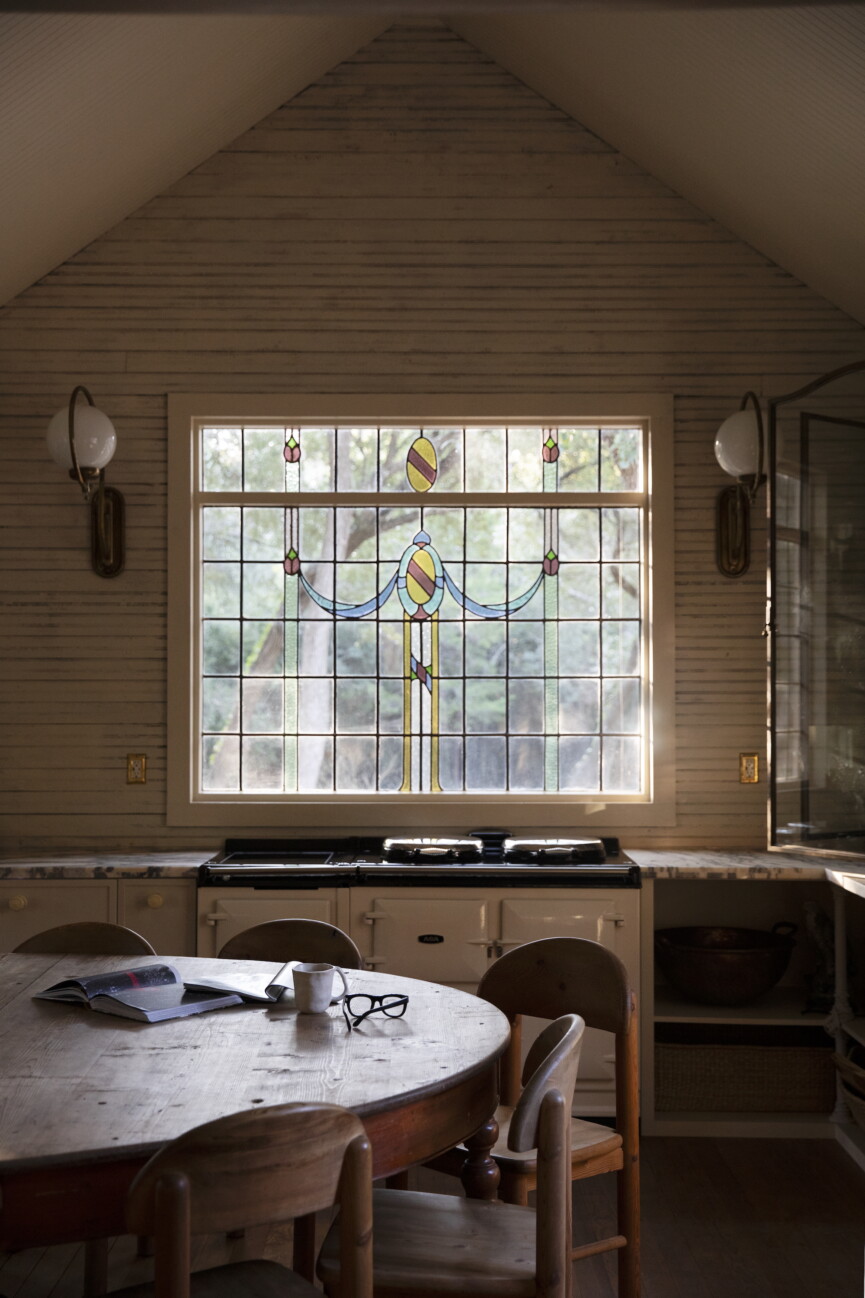
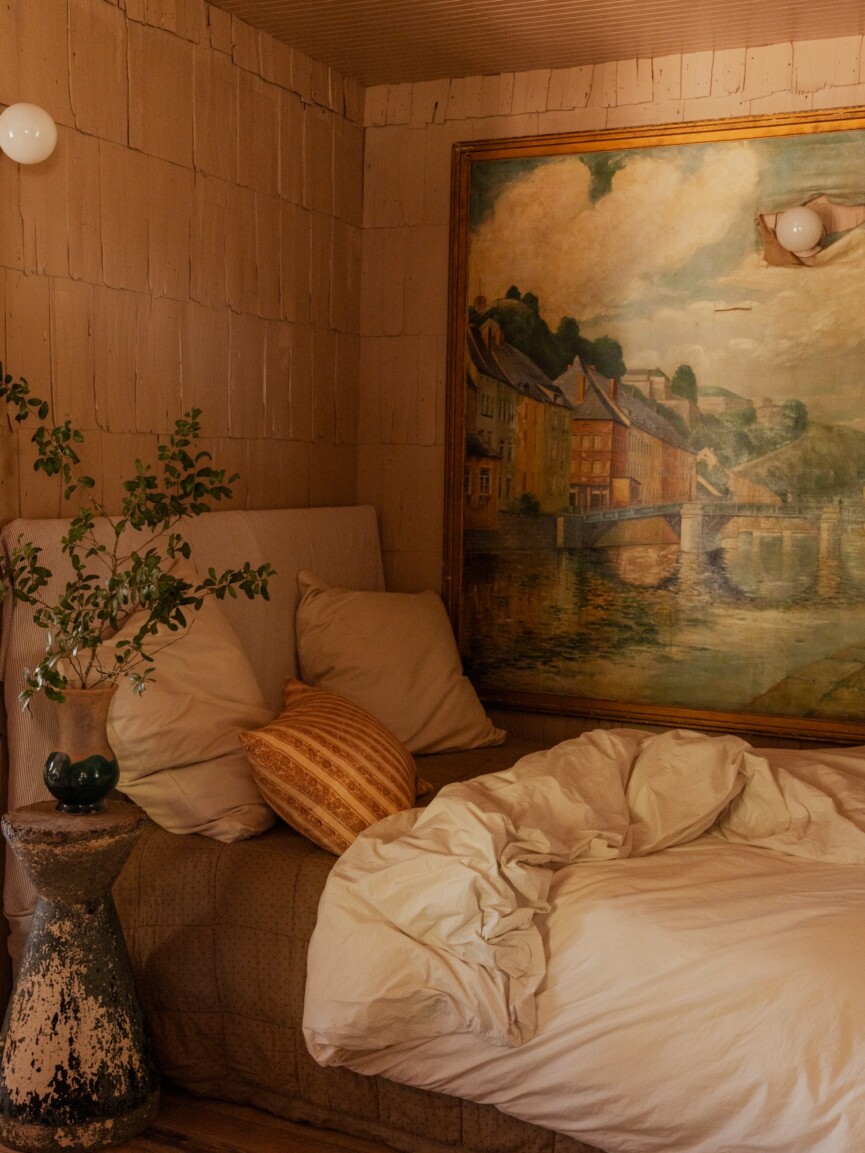
But it had this incredible old wood, and it became our “leftovers house.” As designers, we each had quite a collection of things that didn’t make it into a project, or that we just couldn’t let go of. So we rebuilt this house using all those things we’d collected over time. The bathtub didn’t fit in multiple houses before it came to its final resting place here. The windows came from a friend’s garage. Nothing was overly planned—it all came together piece by piece.
“As Quincy Jones says, you’ve got to leave room for the spirit to walk in the room.”
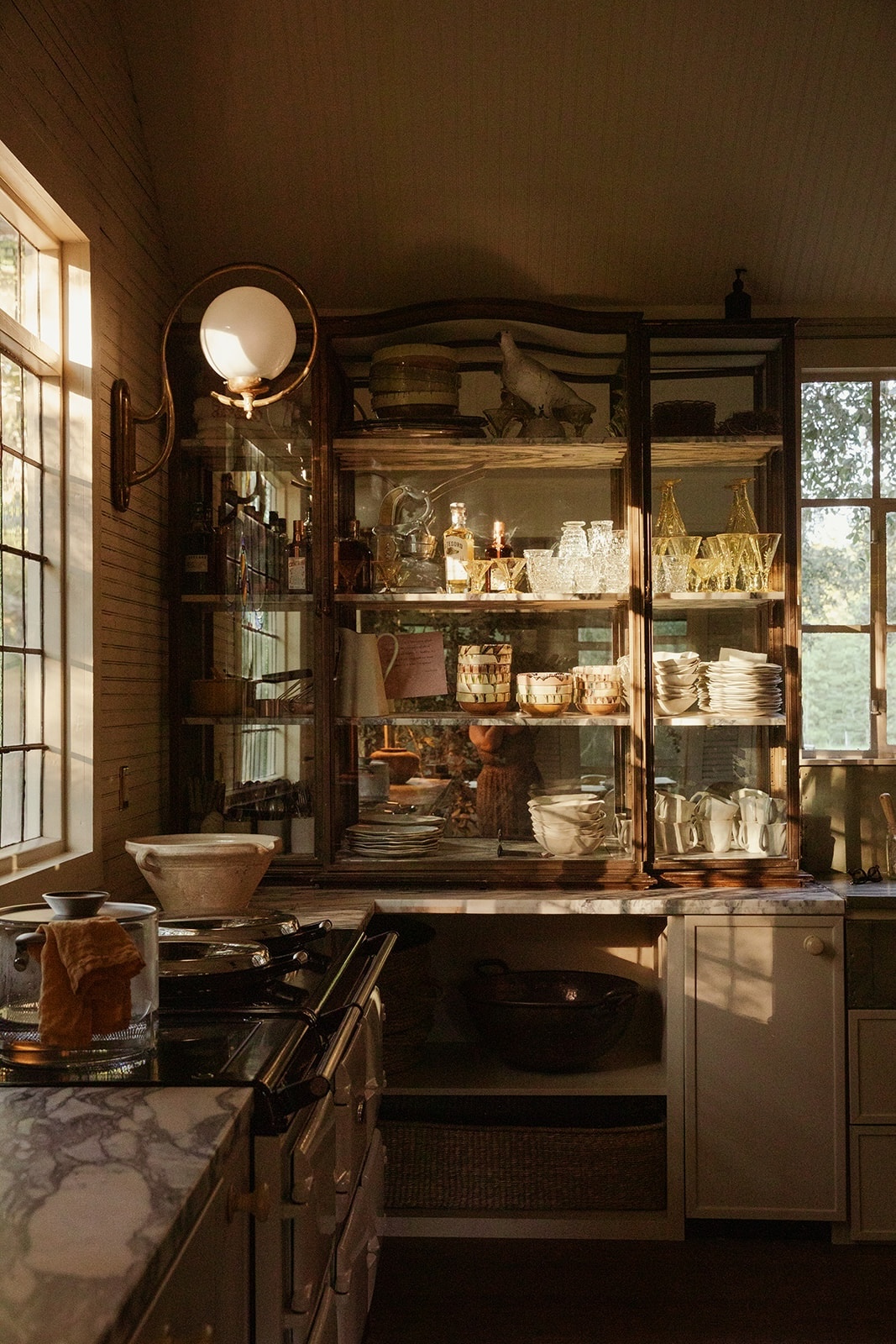

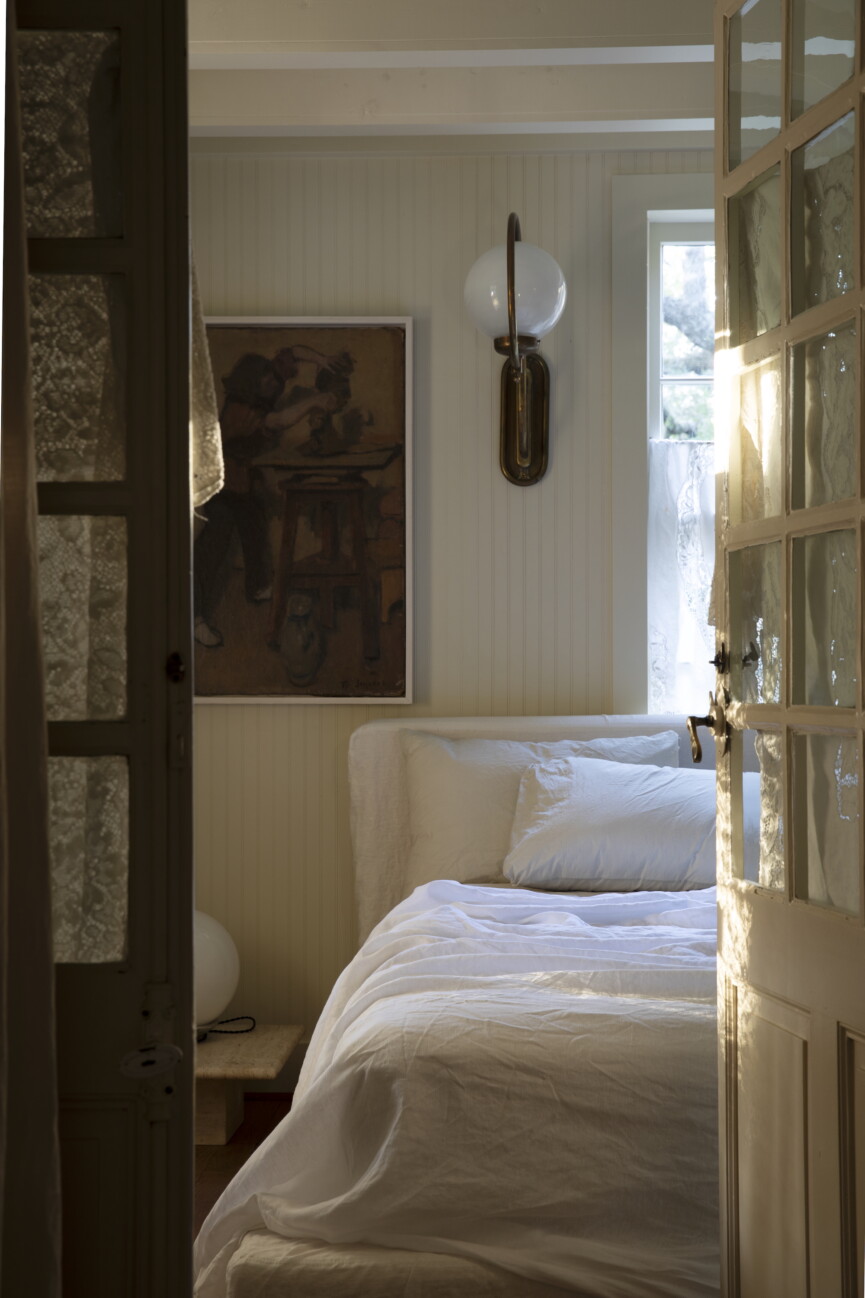

Grace: We really left room for the spaces to evolve. Things shift when you’re actually in a house, and that’s where the interesting things naturally happen.
Camille: It feels like there’s a real sense of intuition in the way you design together. How much of that is planned versus discovered in the moment?
Leanne: I always say that you can’t fully design a house in CAD. You just can’t. You have to be in the space—to see it, feel it, respond to it.
We’re constantly making decisions in real time—moving things, changing things, pivoting. Like, “Let’s move the sink over here.” “Let’s change this.” And it’s not always the most efficient way—but it gets you to something better.
As Quincy Jones says, “You’ve got to leave room for the spirit to walk in the room.” He prepared, but then left room for the spirit to move him. And it’s so true—we do that naturally as we design, and it doesn’t scare either of us.
The Path to a Point of View
Camille: Okay, let’s rewind—what first pulled each of you into design?
Grace: I was actually an interior design major for a year in college, and my advisor told me it was a dying field and that I should use my brain for something different—so I changed my major even though I continued to love design.
Years later, I found myself at home with four kids—ages 3 and under—and I was home more than I’d ever been in my adult life. I began writing about design and what I was doing, and it did well. As the kids got a little older, I began taking on clients, and it just kind of went from there.
Growing up, my house was decorated in 1989—and it never really changed from that. And I wasn’t allowed to change it in any way. So I think the freedom I have in my design style is very much born from that. I wanted to try things. Some of it was great, and some of it was a major fail—but you learn from all of it.
What really shaped everything for me was realizing that design is about story. As a kid, I was a voracious reader, and I was always writing, and I began to see through my earliest clients that the best homes are the ones that tell a story of the people who live there.
Camille: Leanne, what about you?


Leanne: I always worked in fashion, and I really never thought about doing interior design. It’s wild looking back, because it was always there.
As a kid, I would move my room around constantly—rearranging furniture, decorating everything. I remember coming home from a friend’s house in high school and telling my parents, “We have to paint our kitchen cabinets white.” They were dark wood—very ‘80s—and I was like, I’m telling you, we have to do this. And they said okay. My mom and I painted the cabinets, we painted the refrigerator while my dad was out of town, and I ripped up the carpet on the stairs myself. I loved it—but still, it never crossed my mind that this was something I could do.
Then in 2010, my husband and I bought our first house, and I could actually change things. Rip walls out, take cabinets down, do everything I had always wanted to do in rentals but never could. I started documenting it—very loosely blogging. And one of the magazines I worked with did an eight-page spread. From there, people started calling.
I had no idea what I was doing. I called my best friend, who was a real interior designer in New York City, and asked for his advice. He told me how to charge, how to present ideas. And I just started saying yes. I’m so thankful for those early clients, because they really were my education.
What I realized is that people know what they like—they just don’t know how to get there. I love that translation process. I always say it’s like ghostwriting—you’re writing their story, not your own.
Camille: Was there a moment when your aesthetic really came into focus?
Leanne: I’ve always been drawn to simplicity and monochromatic spaces. My brain is very full, so I need things to feel simple and cohesive. I love trinkets and objects—but I want them all to feel like they belong together. If I’m going to have a lot of things, they’re going to live in the same world.
And I’ve always been obsessed with white. All shades of white. It’s such a powerful tool. You put a beautiful white paint on something, and it suddenly feels clean and calm.
“The most interesting spaces are the ones with some tension—things that don’t necessarily go together, but then you put them together, and that’s what makes it feel like art.”
Let It Be Lived In
Camille: How is the way you design—or live—shifting in this season of life?
Leanne: For me, it’s learning to say no. I’ve spent years saying yes to everything—that’s how I built my career. But now, the real luxury is choosing what not to do.
My husband always says, “Say no to good so you can say yes to great.” And I’m really working on that. Because my instinct is still to say yes—to opportunities, to things that sound exciting. But you have to think about what you’re giving up in exchange.
Grace: I’m in a really full season with my kids, and I’m trying to really be present for that.
But I also crave simplicity. For me, that shows up in small ways—like keeping my kitchen work table clear. If that space is cluttered, I feel it immediately. But when it’s clear, I feel calmer. It helps me transition into what’s next.


Camille: Your spaces are beautiful, but they also feel completely livable. How do you think about that balance?
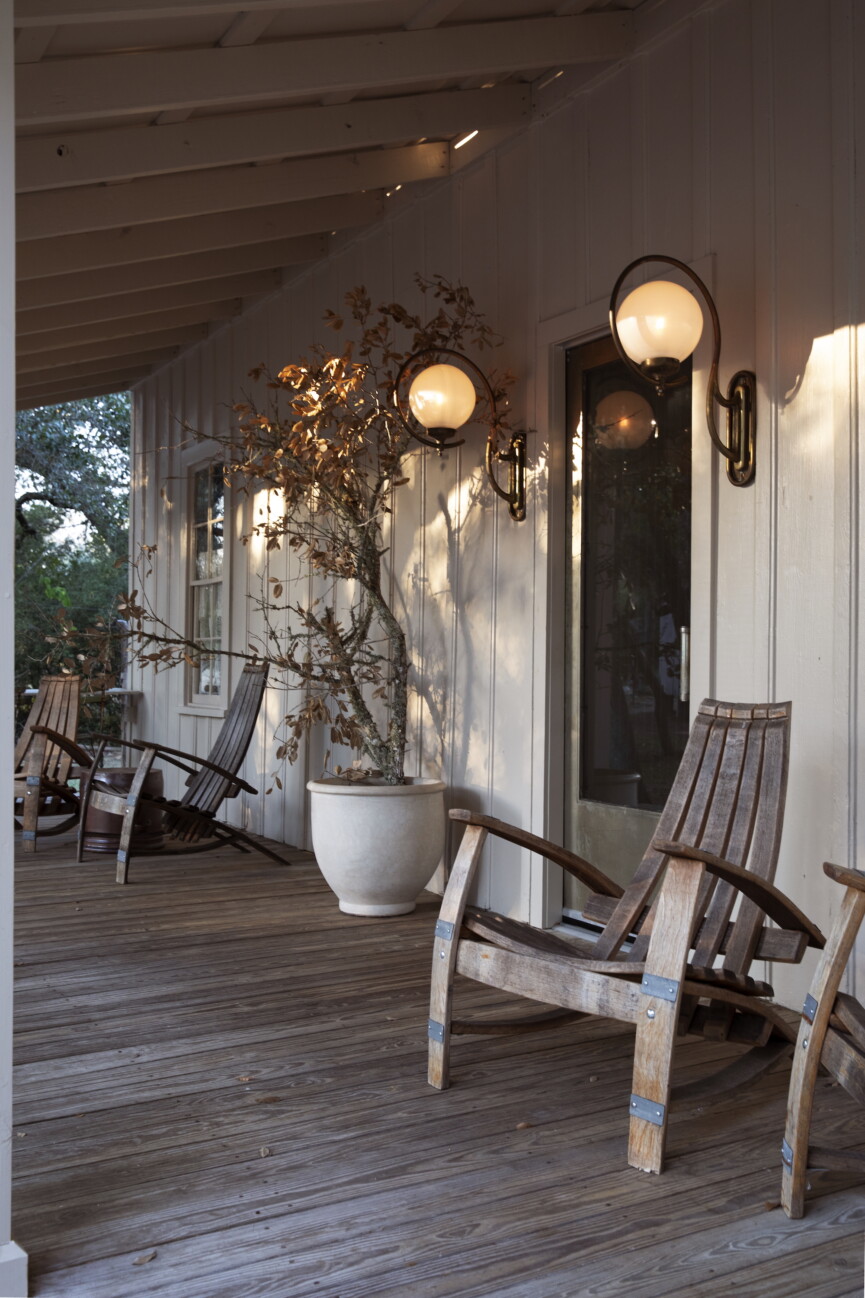
Grace: I have four kids, so—did my furniture get drawn on at times? Yeah. But I also taught my kids how to treat things. And I try to create homes where people can live and relax and come in from outside and sit down and use all the china. I’m not a precious person. My philosophy is—buy what you love and live with it.
The most interesting spaces are the ones with some tension—things that don’t necessarily go together, but then you put them together, and that’s what makes it feel like art.
Leanne: Let it live and be lived in. Get the ring stain on the marble early. Slipcovers can be washed. Walls can be repainted.
You just have to decide—do you want to live in something that feels untouchable, or do you want to actually love your home and live your life?
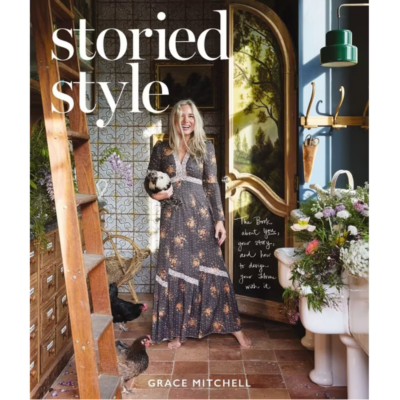
Grace Mitchell
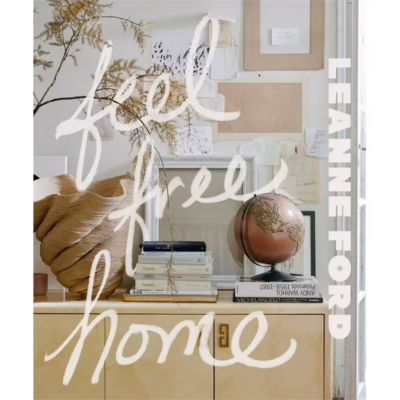
Leanne Ford

More from this issue
A Morning in the Garden With Sabrina Rudin
On friendship, a debut cookbook, and the kind of food that creates connection.
The Case for Ritual in a Disconnected World
The secret to a beautiful life might be simpler than you think.
The Unexpected Power of Being 40—Stacey Lindsay is Rewriting the Script
How more women are rewriting midlife on their own terms.

