





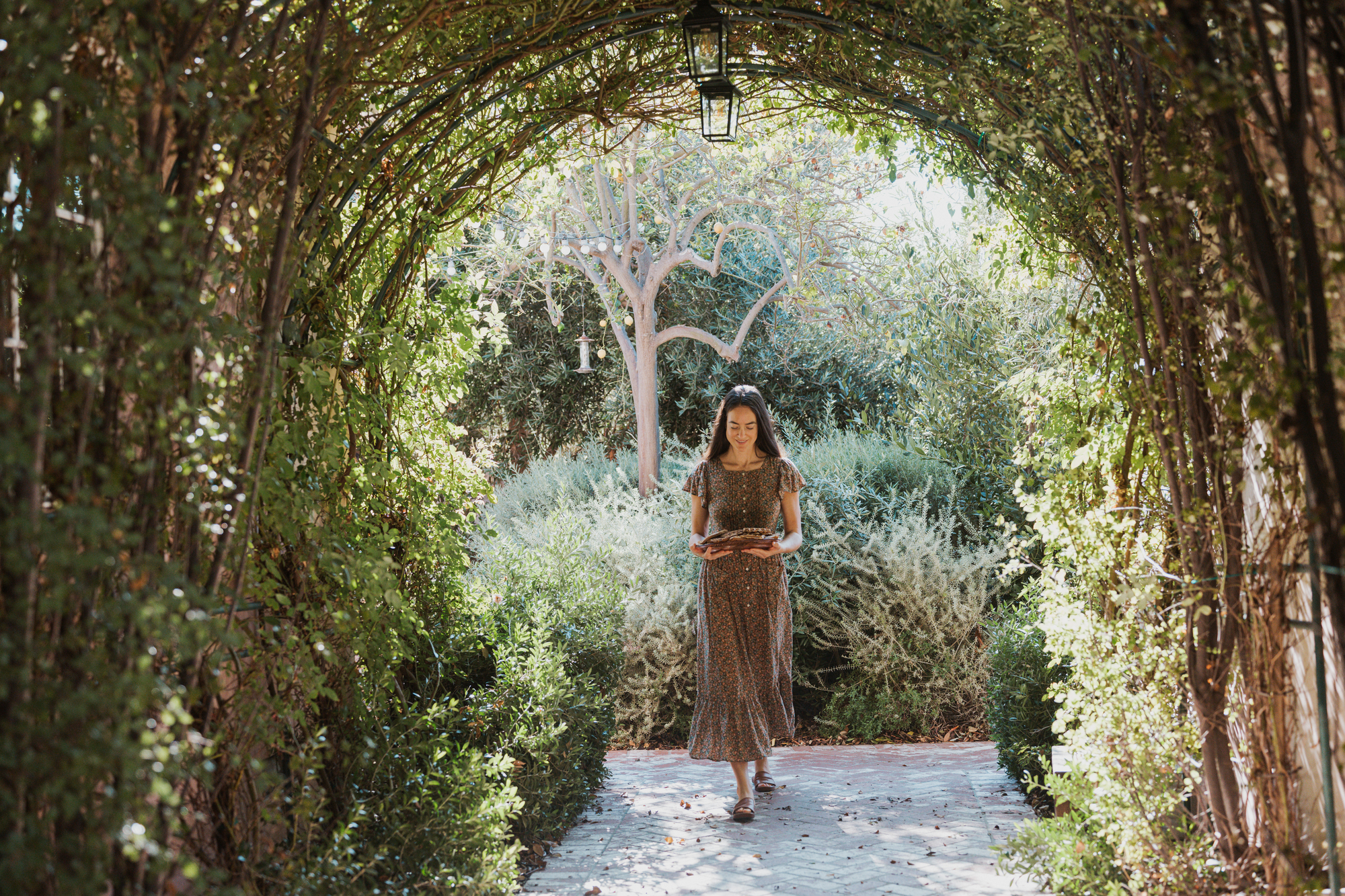
Photography by Teal Thomsen
I’ve been thinking about connection a lot lately—and how it can be simpler to romanticize closeness than to build it. To curate a life that looks full from the outside while, on the inside, it doesn’t feel that way.
I’ve spent much of this year working too much, moving too fast, saying yes to everything—present for almost none of it. Sobriety has a way of stripping that back, of making the noise quieter and the longing louder. When you commit to showing up for yourself every single day, you start to notice what’s actually there when you do. And what I noticed was an unnamed sort of hunger. Not for more productivity or achievement. Something that feels more like belonging.
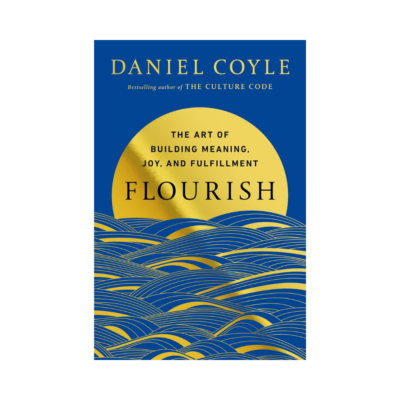
Then I read the book, Flourish.
The Loneliness of an Imagined Life
Daniel Coyle spent years studying the groups that do something we all desperately want: to build a life together that actually feels like one.
The Chilean miners trapped underground for 69 days. A small deli in Michigan that grew into a $90 million ecosystem (and where its real value goes beyond the revenue). What he found in all of them wasn’t a formula or a framework so much as a pattern: the groups that flourished were the ones that made meaning together and built something larger than themselves in the process.
It sounds almost too simple. But I’ve found that the most sustainable, lasting solutions often are exactly that: wildly, deceptively simple.
Coyle draws a distinction that I keep returning to: the difference between a life that is managed and a life that is lived. We’ve gotten very good at the former. We optimize our mornings, track our steps, and schedule our rest. We are, as a culture, extraordinarily good at the performance of wellness while remaining persistently disconnected from the thing that actually makes us well. Each other.
Flourish makes me want something different. To give a name to my hunger. To stop treating belonging as a nice-to-have and start treating it as what it actually is: a need as fundamental as sleep (remember when we treated that as a luxury), as nourishing as food, as essential as any habit I’ve built in service of my own health.
Rediscovering an Ancient Algorithm
It’s funny what happens when you spend too long thinking about something instead of doing it. The thinking multiplies. You read more, you reflect more, you add more books to your list—and somewhere in all that accumulation, the original hunger gets buried under the very effort to understand it. (A writer’s occupational hazard, maybe. Or just a human one.)
That’s where Bruce Feiler’s essay found me. But first, Coyle: “Across every society, in every age, humans have developed practices to step out of the everyday and into something deeper, to cross the threshold from ordinary life into a more expansive, meaningful connection. We call these practices rituals.”
Feiler describes ritual as “the first human algorithm”—a technology so old it predates written language, so fundamental it shows up in every culture ever studied. Paleoanthropologists have found what appear to be ritual gathering places from 300,000 years ago. We have always done this. We have always needed to.
But somewhere along the way, we stopped. Not all at once—more like a slow erosion. The baptism rate among Catholics has fallen by half in the past 50 years. Fewer traditional rites of passage mark our lives. The ceremonies that once held us together have loosened their grip, and we have not, until recently, built new ones to replace them.
What Feiler found in three years of attending rituals across 16 countries was something that stopped me: people aren’t waiting for institutions to give them back what was lost. They’re making it themselves. Grief gardens. Honor walks for organ donors. Soberversaries. (One of my favorite occasions to celebrate.) Scream clubs. (Yes!) Divorce parties. (YES.) Forest funerals. People, inventively writing new endings to stories they never wanted to tell.
This is what Coyle is pointing at when he talks about making meaning. Not religion or a grand ceremony, necessarily. Something smaller and more insistent: the decision to show up, together, on purpose, again and again. To mark the moments that matter. To say, with your presence, that this—this person, this place, this practice—is worth returning to.
That decision, repeated over time, is what transforms a routine into a ritual. And a ritual, it turns out, is what transforms a life.
What Showing Up Actually Looks Like
I’ve been sober for a while now. (On and off, if I’m being honest—and honesty, it turns out, is the heart of the practice.) What I didn’t expect when I first walked into a meeting was that it would have almost nothing to do with not drinking and almost everything to do with this: showing up, in a room, with other people, and saying the true thing out loud.
That’s it. That’s the ritual.
There’s no aesthetic to it. No carefully curated atmosphere, no linen napkins or seasonal flowers. Just folding chairs and bad coffee and people who have decided, collectively, to be witnessed. To say: here is the thing I am ashamed of. Here is the thing I am afraid of. Here is what happened this week. And to have someone look back at you and say: I know. Me too.
Coyle writes that flourishing groups do two things: they make meaning, and they build community. AA does both, every single day, in church basements across the world. It is one of the most effective community-building structures ever devised—not because it’s comfortable, but because it requires the one thing we are most reluctant to offer each other: our actual selves.
Feiler writes that the most successful rituals “welcome people with joy, promote compromise, build empathy, and end with a moment of hope.” I’d add one more thing: they ask you to come back. Because something in you knows that the person you are when you leave is different from the person who walked in.
That’s what ritual does. That’s what connection does. And that, I’m slowly learning, is what it means to flourish.
“Ritual softens the harsh edges of daily life.”



From Dreaming to Doing
We talk about the life we want the way we talk about a place we’ve always meant to visit. Someday. When things settle down. When I have more time, more money, more bandwidth, more of whatever it is that always seems to be just slightly out of reach.
But Coyle’s research suggests something uncomfortable: the gap between the life we imagine and the one we’re living doesn’t close on its own. It closes through practice. Through small, deliberate acts of showing up—on an ordinary Tuesday, when you’re tired and behind on everything and the last thing you feel like doing is being present for someone else.
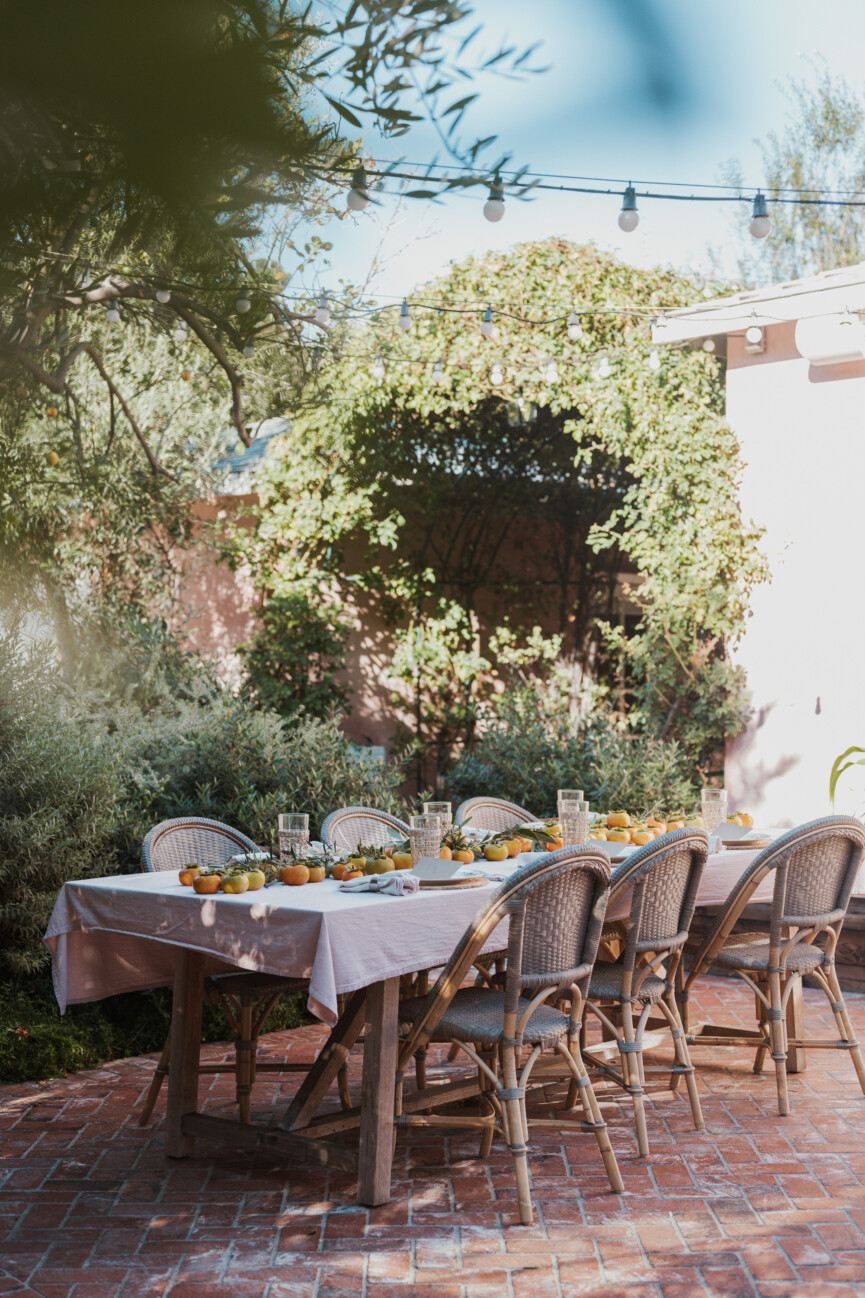
That’s the dream made real. Not the Instagram version of it, but the actual version: a standing dinner that you protect even when work is loud. A walk you take with a friend every week, same time, same route, until it becomes the thing you both count on. A meeting you go to not because you feel like it but because you made a commitment to yourself and to the people in that room.
Feiler writes that ritual “softens the harsh edges of daily life.” I’ve been thinking about that phrase. Because the harsh edges don’t go away—the work, the uncertainty, the longing, the days that don’t go the way you planned. But when you have something to return to, something that holds you and that you help hold, the edges feel less sharp. You feel less alone inside them.
This is what it means to dream with intention. Not to imagine a better life from a distance, but to build the conditions for one, one ritual at a time. To decide that the people and practices worth returning to are worth showing up for—even imperfectly, even incompletely, even when you’d rather stay home.
The dream doesn’t begin when everything aligns. It begins the moment you decide to show up anyway.
“Flourishing isn’t something you find. It’s something you build.”
Where to Begin
Start small. Embarrassingly small, even. One recurring plan with one person you love. A walk, a dinner, a standing phone call with your best friend who lives across an ocean. A meeting you commit to showing up for, even on the weeks you don’t feel like it.
Don’t wait until you feel ready, or until your schedule clears, or until you’ve figured out exactly what kind of community you’re looking for. Coyle’s research is clear on this: flourishing isn’t something you find. It’s something you build, in the small spaces between everything else, with the people willing to show up alongside you.
The life you’re dreaming of isn’t waiting for the right moment. It’s waiting for you now.
Copywriter by day, freelance editorial writer by night, and a bibliophile at any moment in between, Isabelle writes to immerse herself and readers in new narratives and contexts. She is passionate about celebrating and illuminating the seemingly small but beautiful details to be found in every moment.
More from this issue
The Unexpected Power of Being 40—Stacey Lindsay is Rewriting the Script
How more women are rewriting midlife on their own terms.
A New Chapter in the English Countryside
The Shabby Chic founder on intuition, imperfection, and coming home to herself.

The New Dream Body
What it means to feel well, alive, and at home in yourself this summer.

